The Northern California and Southern Oregon coast can be an ideal destination for couples seeking beauty, privacy, adventure, and meaningful time together.
The region offers a combination of oceanfront mornings, quiet beach walks, ancient redwood forests, scenic coastal drives, dramatic sunsets, harbor views, wildlife, local restaurants, cozy cabin evenings, rainy days that encourage couples to slow down, and opportunities for proposals, anniversaries, birthdays, honeymoons, and spontaneous escapes.
A romantic trip does not require an expensive or complicated itinerary. For many couples, romance comes from having enough time and space to reconnect without constant obligations.
A morning coffee overlooking the coast may feel more intimate than a crowded attraction. A quiet redwood walk may create more meaningful conversation than a fully scheduled day. A simple dinner in the cabin followed by sunset may become the memory both people value most.
This guide explains how couples can create a romantic coastal getaway near Crescent City, Brookings, White Rock Resort, the redwoods, and the California-Oregon border.
What Makes a Coastal Cabin Romantic?
A coastal cabin may provide several qualities that couples often seek.
- Privacy.
- Ocean views.
- Beach access.
- A comfortable living area.
- A kitchen or kitchenette.
- Outdoor seating.
- A quieter environment than a large hotel.
- Space to relax without leaving the property.
- The sound of waves.
- Sunsets.
- Mornings without a rushed schedule.
- A setting that feels separate from everyday life.
The most romantic cabin is not always the largest or most expensive. It is the one that matches the couple’s priorities. Some couples value the closest possible ocean view. Others value privacy, a kitchen, comfortable seating, or a location convenient to both beaches and redwoods.
Decide What Romance Means to You
Couples do not all want the same kind of getaway.
One couple may want long hikes, photography, scenic drives, and full-day exploration. Another may prefer late breakfasts, reading, beach walks, cabin dinners, and rest.
A successful romantic trip begins with an honest conversation about expectations.
- Do we want adventure or relaxation?
- Do we want to dine out or cook?
- Do we want a full itinerary or open time?
- Is the ocean view more important than cabin size?
- Are we celebrating something?
- Do we need privacy?
- How much driving do we want to do?
- Do we want to disconnect from work and phones?
Romance is easier when both people expect the same type of trip.
Begin With an Unhurried Arrival
The first evening sets the tone for the vacation.
A relaxed arrival may include:
- Checking in before dark.
- Unpacking only the essentials.
- Opening the curtains and enjoying the view.
- Taking a short walk.
- Preparing a simple meal.
- Ordering takeout.
- Sharing a favorite beverage.
- Watching sunset.
- Turning off work notifications.
- Going to bed without setting an early alarm.
The first evening should feel like a transition out of ordinary life.
Enjoy Morning Coffee With the View
One of the simplest romantic experiences is sharing a quiet morning at the cabin.
- Coffee on the deck.
- Tea beside a window.
- Breakfast overlooking the ocean.
- Listening to waves.
- Watching fog move along the coast.
- Looking for birds or marine wildlife.
- Planning the day together.
- Sitting without talking.
Avoid checking email or social media immediately after waking. The purpose is to enjoy the place and each other before the day becomes structured.
Prepare Breakfast Together
A cabin kitchen may make breakfast feel more personal and relaxed.
- Eggs and toast.
- Pancakes.
- Fresh fruit.
- Yogurt.
- Oatmeal.
- Pastries.
- Breakfast sandwiches.
- Coffee and tea.
- A favorite meal brought from home.
One person may cook while the other sets the table. Or both may prepare something together. The meal does not need to be elaborate.
Take a Quiet Beach Walk
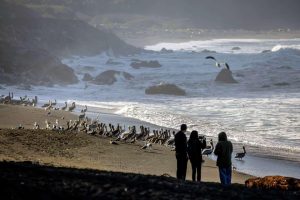
A beach walk is one of the most natural romantic activities on the coast.
- Holding hands.
- Talking without interruption.
- Looking for wildlife.
- Taking photographs.
- Watching waves.
- Exploring natural patterns.
- Walking at sunset.
- Sharing a warm drink afterward.
Choose the beach based on:
- Weather.
- Tide.
- Surf.
- Access.
- Mobility.
- Time available.
Remain alert to the ocean, even during a relaxed walk. Romantic scenery does not remove the risks of sneaker waves, cold water, moving driftwood, slippery rocks, or changing tides.
Choose the Right Beach Experience
Long Sandy Beach
- Extended walking.
- Conversation.
- Open views.
- Sunrise or sunset.
- Simple relaxation.
Rocky Beach
- Photography.
- Sea-stack views.
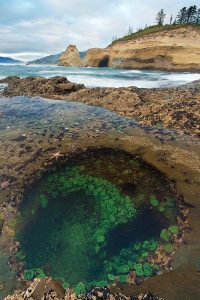
- Tide pools during safe conditions.
- Dramatic scenery.
Coastal Overlook
- Limited walking.
- Windy days.
- Sunset.
- Older couples.
- A short stop during a scenic drive.
Quiet Cove
- Privacy.
- Photography.
- A slower visit.
Remote coves may require difficult trails or tide awareness, so safety should remain the first consideration.
Watch Sunset Together
Sunset can become the emotional center of a romantic coastal trip.
Choose a legal and safe viewing location such as:
- The cabin.
- A broad beach.
- A paved overlook.
- A harbor area.
- An approved coastal viewpoint.
Bring:
- Warm layers.
- A blanket where appropriate.
- A flashlight.
- A warm drink.
- A camera.
- Enough time to arrive before the light changes.
Do not wait until darkness to begin finding the return trail. A beautiful sunset is more enjoyable when neither person feels rushed or unsafe.
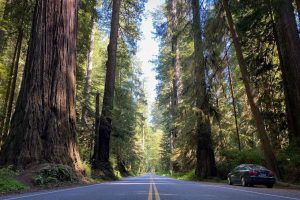
Visit the Redwoods as a Couple
The redwoods create a peaceful environment for couples.
- Quiet conversation.
- Shared awe.
- Photography.
- Gentle exercise.
- A sense of escape.
- Time away from crowds.
- Opportunities to slow down.
Couples do not need to choose the longest trail. A short old-growth walk may provide everything they want from the experience.
Walk slowly. Notice the light, ferns, moss, fallen logs, bird sounds, the scale of the trees, and the change in temperature beneath the canopy.
Choose a Redwood Walk That Matches Both People
A romantic outing can quickly become stressful when one person wants a demanding hike and the other does not.
Before choosing a trail, discuss:
- Distance.
- Elevation.
- Mud.
- Footwear.
- Weather.
- Restrooms.
- Time.
- Physical ability.
- Whether cell service is available.
Choose an experience both people can enjoy. The goal is shared time, not proving endurance.
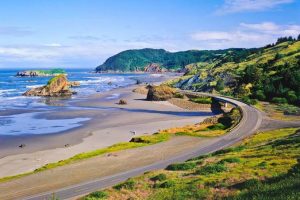
Take a Scenic Drive
A scenic drive can provide privacy, conversation, and variety without requiring a strenuous outing.
Couples may drive through:
- Redwood forests.
- Coastal viewpoints.
- River corridors.
- Crescent City.
- Brookings.
- The California-Oregon border region.
- Forested roads.
- Harbor areas.
Create a simple plan with:
- One primary destination.
- One optional stop.
- Lunch.
- Time to return before dark.
Avoid filling the day with repeated vehicle exits and long detours. A romantic drive should feel spacious rather than rushed.
Create a Shared Road-Trip Playlist
Music can shape the mood of a couples’ getaway.
- Songs from early in the relationship.
- Favorite travel music.
- Relaxing instrumentals.
- Music associated with shared memories.
- New songs both people enjoy.
Take turns choosing songs. The playlist may become part of how the trip is remembered.
Stop at a Coastal Overlook
- Ocean panoramas.
- Sea-stack views.
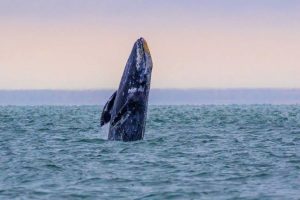
- Whale-watching possibilities.
- Photography.
- A quiet conversation.
- A break during the drive.
- Sunset.
Use designated parking. Do not stop on unsafe shoulders or cross barriers for a better photograph.
The best romantic viewpoint is one where both people feel comfortable and can remain focused on the experience.
Explore Crescent City Together
A relaxed Crescent City outing may include:
- Harbor views.
- A beach walk.
- Lunch.
- Coffee.
- Local shops.
- Lighthouse views when safely accessible.
- A coastal drive.
- Sunset.
Do not feel obligated to create a full sightseeing schedule. A couple may enjoy simply choosing one restaurant, one shoreline stop, and one place to walk.
Spend a Day in Brookings
Brookings can provide a romantic half-day or full-day outing.
- Coastal scenery.
- Beaches.
- Harbor views.
- Lunch or dinner.
- Local shops.
- A café.
- A scenic park.
- Photography.
A Brookings day works especially well during a stay of three nights or longer. Return to White Rock Resort with enough time to relax rather than ending the day with a rushed drive.
Visit a Harbor
Harbors can be romantic in a quieter, more authentic way.
- Fishing boats.
- Seabirds.
- Marine mammals from a distance.
- Reflections.
- Changing light.
- Working waterfront activity.
- Evening movement.
A harbor visit may be combined with seafood, coffee, photography, a short walk, shopping, or sunset.
Remain in public areas and respect working docks and restricted zones.
Look for Wildlife Together
Wildlife viewing can add an unexpected moment to the trip.
- Whales.
- Seals.
- Sea lions.
- Otters.
- Elk.
- Deer.
- Pelicans.
- Shorebirds.
- Raptors.
Bring binoculars. Do not make the success of the day depend on a sighting. Wildlife is unpredictable. The shared experience of watching and waiting can be enjoyable even when no major animal appears.
Take Photographs of Each Other
Couples often return from vacations with many landscape photographs but few pictures together. Plan at least one intentional photograph.
Possible locations include:
- The cabin.
- A safe beach.
- A redwood grove.
- A harbor.
- A scenic overlook.
- A restaurant.
- A coastal trail.
Use:
- A tripod.
- A timer.
- A stable phone stand.
- Help from another visitor where appropriate.
Never step toward cliffs, surf, unstable driftwood, or restricted areas for a photograph.
Create a Small Vacation Photo Tradition
- Holding coffee cups.
- Standing beneath a large tree.
- Photographing joined hands.
- Recreating an early relationship picture.
- Taking one sunset silhouette.
- Photographing the view from the cabin.
- Holding a handwritten date card.
A simple tradition creates continuity across anniversaries and future trips.
Plan a Romantic Picnic
A picnic may feel more private and relaxed than a restaurant.
Bring:
- Bread.
- Cheese.
- Fruit.
- Sandwiches.
- Salad.
- Chocolate.
- Sparkling water.
- Coffee or tea.
- A waterproof blanket.
- Warm layers.
- Napkins.
- A trash bag.
Choose an approved location with safe parking, protection from strong wind, stable seating, a view, and legal public access.
Pack out everything. Do not leave food scraps for wildlife.
Enjoy a Special Restaurant Dinner
A restaurant meal can add structure to a romantic trip.
Choose based on:
- Atmosphere.
- Menu.
- Dietary needs.
- Distance.
- Reservations.
- Seasonal hours.
- View.
- Noise level.
- Travel time after dark.
For an anniversary or proposal weekend, make reservations in advance where possible.
Choose One Meaningful Meal
A balanced trip may include:
- Breakfast at the cabin.
- Picnic lunch.
- One special restaurant dinner.
- One simple cabin dinner.
- Coffee or dessert in town.
One intentional meal often feels more romantic than constant restaurant scheduling.
Cook Dinner Together
A cabin dinner may provide more privacy than dining out.
- Pasta.
- Seafood.
- Soup and fresh bread.
- Steak or a preferred alternative.
- Salad.
- Tacos.
- A charcuterie-style board.
- A favorite family recipe.
- Simple dessert.
Divide the tasks. One person may prepare dinner while the other arranges the table and music.
Order Takeout and Stay In
Some evenings, the most romantic choice is to avoid going out.
- Remain comfortable.
- Watch the weather.
- Enjoy the cabin.
- Avoid driving after dark.
- Eat at your own pace.
- Watch sunset.
- Talk privately.
Turn off the television for at least part of the meal.
Have a Device-Free Evening
- Turn off notifications.
- Avoid email.
- Put phones away.
- Play music.
- Cook.
- Talk.
- Read.
- Play cards.
- Watch the weather.
- Sit outdoors when safe.
- Look at old photographs.
Phones may still be kept accessible for emergencies. The purpose is not complete disconnection from safety. It is relief from constant attention demands.
Ask Each Other Meaningful Questions
- What has made you happiest recently?
- What do you want more of this year?
- What trip should we take next?
- What memory from our relationship makes you laugh?
- What are you proud of us for?
- What would make everyday life feel less rushed?
- What is one thing you appreciate about our relationship?
- What should we celebrate more often?
The conversation should feel inviting, not like an interview.
Bring a Shared Journal
- Date.
- Cabin.
- Weather.
- Favorite meal.
- Favorite view.
- Funniest moment.
- Best conversation.
- Wildlife seen.
- One photograph.
- One thing to repeat next time.
Each person can write a short entry. Over time, the journal becomes a record of shared travel.
Exchange Notes or Letters
The note may include:
- A favorite memory.
- Gratitude.
- What the relationship means.
- Hopes for the future.
- Reasons for choosing the trip.
- A promise to create more time together.
Read the notes at sunset, during dinner, in the cabin, beneath the redwoods, or over morning coffee.
Create a Cabin Spa Evening
- Warm shower or bath where available.
- Comfortable robes or clothing.
- Moisturizer.
- Face masks.
- Soft music.
- Herbal tea.
- Low lighting.
- Reading.
- A gentle massage.
- Early bedtime.
Do not use oils, candles, or products that violate property rules or may stain linens and furnishings.
Avoid Open-Flame Assumptions
Do not assume candles are permitted.
- Battery-operated candles.
- Soft lamps.
- String lights only when permitted.
- Approved fireplace features.
- Sunset and natural lighting.
Always follow the cabin’s rules.
Watch a Movie Together
A movie night may be especially enjoyable during rain, wind, a long stay, an anniversary evening, or a tired night after hiking.
- Download a movie.
- Bring snacks.
- Choose the film in advance.
- Create a comfortable seating area.
- Keep the evening unhurried.
Read Together
- Read separate books in the same room.
- Read a travel book aloud.
- Share short stories.
- Read relationship letters.
- Look through old photographs.
- Plan a future trip.
Quiet companionship can be deeply romantic. Not every meaningful moment requires conversation.
Play Cards or a Two-Person Game
- A deck of cards.
- Dominoes.
- A compact board game.
- Trivia questions.
- A puzzle.
- A conversation game.
- A cooperative game.
Choose something enjoyable rather than highly competitive if competition creates tension. The goal is to relax and laugh.
Listen to the Storm Safely
- Listening to rain.
- Watching waves from indoors.
- Drinking something warm.
- Reading.
- Cooking.
- Playing games.
- Taking photographs through the window.
- Talking without an itinerary.
Remain inside during dangerous surf or high winds. Safe storm-watching should occur from a secure location.
Romantic Rainy-Day Activities
- Slow breakfast.
- Scenic drive only when roads are safe.
- Coffee in town.
- Local shopping.
- Lunch.
- Cabin cooking.
- Movie.
- Reading.
- Journaling.
- Card games.
- Afternoon nap.
- Watching the weather.
Rain can create permission to rest. Couples should not treat every wet day as something that must be “saved” with constant activity.
Plan an Anniversary Getaway
- A cabin with the desired view.
- A special dinner.
- A handwritten letter.
- A photograph.
- A redwood walk.
- Sunset.
- A small gift.
- A favorite dessert.
- A late morning.
- One unscheduled day.
Avoid planning every minute. An anniversary should provide time to reflect on the relationship, not simply move between reservations.
Revisit an Important Memory
- Their first date.
- Their first vacation.
- Their wedding day.
- A difficult period they overcame.
- A favorite shared meal.
- A song.
- A photograph.
- A decision that changed their lives.
Bring an old picture or keepsake. Take a new photograph inspired by it.
Planning a Proposal
The coast and redwoods can provide beautiful proposal settings.
- The cabin.
- A safe beach.
- A coastal overlook.
- A redwood grove.
- A picnic.
- A harbor-side walk.
- A private dinner.
The best location should be safe, legal, accessible, appropriate for the other person’s personality, flexible if weather changes, private enough for comfort, and easy to reach without creating suspicion or stress.
Choose the Proposal Around the Person
Consider whether your partner prefers:
- Complete privacy.
- A photographer.
- Family involvement.
- A quiet redwood setting.
- Ocean sunset.
- A cabin proposal.
- A restaurant.
- A spontaneous moment.
- A carefully planned event.
The proposal should reflect the relationship, not an online trend.
Create a Proposal Backup Plan
Primary Plan
For example: sunset beach proposal.
Secondary Plan
For example: scenic overlook before the weather worsens.
Indoor Plan
For example: proposal in the cabin with flowers, music, and a handwritten letter.
Do not pressure yourself to use a dangerous or uncomfortable location because it was the original plan. The meaning of the proposal matters more than the background.
Proposal Photography
- A professional photographer where arranged.
- A discreet friend or family member.
- A tripod and timer after the proposal.
- A private photograph at the cabin.
- Asking a responsible nearby visitor.
Do not conceal a photographer in restricted or unsafe areas. Never delay leaving a tide-dependent beach or exposed viewpoint to capture more images.
Plan a Honeymoon Stay
A honeymoon may benefit from four nights or longer.
- Arrival.
- Rest.
- Beach.
- Redwoods.
- Dining.
- Scenic driving.
- Cabin time.
- Weather changes.
- Unscheduled mornings.
- Photography.
- A full day without obligations.
A two-night honeymoon may feel rushed after travel is included. When possible, allow enough time to settle into the destination.
Plan a Birthday Getaway
- The birthday person’s preferred cabin.
- Favorite breakfast.
- One chosen activity.
- Dessert.
- Special dinner.
- A small gift.
- A photograph.
- A relaxed schedule.
Ask whether the person wants adventure, quiet, surprise, planning involvement, dining out, or complete rest.
Surprise Getaways
A surprise trip can be romantic, but only when practical needs are respected.
- The person is available.
- Work obligations are covered.
- Medications are packed.
- Clothing needs are met.
- Pet or childcare arrangements are made.
- Dietary needs are considered.
- The destination will be enjoyable.
- The person is comfortable with surprises.
A surprise should create delight, not logistical stress.
Plan a “No Occasion” Getaway
Couples do not need an anniversary or birthday to take a romantic trip.
- Finishing a difficult project.
- Reconnecting after a busy season.
- A personal achievement.
- Time away from caregiving.
- A new chapter.
- Simply wanting to be together.
Ordinary relationships often benefit from intentional time before a major occasion creates the excuse.
Privacy Considerations
Before booking, ask:
- How close are neighboring cabins?
- Is the outdoor area private?
- Is the view unobstructed?
- Is the beach access public or shared?
- Are there quiet hours?
- Is parking near the cabin?
- Are curtains or blinds available?
- Is the cabin suitable for two people?
- Are common areas shared?
- Is housekeeping scheduled during the stay?
Privacy does not always mean total isolation. It may simply mean having enough personal space to relax comfortably.
Choose the Right Cabin for Couples
- View.
- Bed size.
- Seating.
- Kitchen.
- Outdoor space.
- Stairs.
- Parking.
- Privacy.
- Heating.
- Wi-Fi.
- Proximity to the beach.
- Distance from restaurants.
- Bathroom arrangement.
- Minimum-stay requirement.
Couples celebrating a special occasion may prioritize a premium view. Couples planning many outings may prefer a more affordable cabin and a longer stay.
Is an Oceanfront Cabin Worth It for Romance?
An oceanfront cabin may be worth the extra cost when:
- The view is central to the trip.
- The couple expects to spend significant time inside.
- The stay marks an anniversary, honeymoon, birthday, or proposal.
- Privacy and atmosphere matter more than additional space.
- The couple wants sunset or wave views without driving.
A less expensive cabin may be the better choice when:
- The couple plans full days away.
- The budget would allow more nights.
- The ocean view is less important than a kitchen or larger living area.
- Travel distance is significant.
- A longer stay would reduce stress.
Romance comes from the overall experience, not only the cabin category.
Avoid Overplanning
An overly scheduled romantic trip may feel like another work assignment.
Do not try to include:
- Every beach.
- Every redwood park.
- Several restaurant reservations.
- Long drives each day.
- Multiple sunrise and sunset locations.
- A full photography schedule.
- Constant social-media updates.
Choose a few experiences that matter. Leave room for sleep, conversation, weather, rest, spontaneous stops, returning to a favorite place, and doing nothing.
Protect the Trip From Work
Before leaving:
- Set an out-of-office message.
- Delegate urgent responsibilities.
- Inform necessary contacts.
- Download needed information.
- Decide when, if ever, work will be checked.
- Turn off unnecessary notifications.
It is better to define a boundary than allow work to interrupt the entire stay.
Talk About Phone Expectations
One person may want to photograph and share the trip. The other may want to disconnect.
Discuss:
- How many photographs feel comfortable.
- Whether meals will be phone-free.
- Whether the trip will be posted in real time.
- How often work messages will be checked.
- Whether each person wants private time.
Unspoken phone expectations can create unnecessary tension.
Leave Room for Separate Time
Romantic travel does not require constant togetherness.
- Read.
- Nap.
- Walk.
- Photograph.
- Work briefly.
- Sit outdoors.
- Visit a shop.
A little separate time can improve the shared experience.
Plan Around Energy Levels
One person may prefer early mornings and long walks while the other may prefer slow mornings and cabin time.
Compromise may include:
- One active morning.
- One relaxed afternoon.
- A shorter shared trail.
- Optional separate time.
- Alternate activity choices.
Romance requires consideration, not identical preferences.
Romantic Activities With a Dog
- Approved beach walks.
- Scenic drives.
- Pet-friendly outdoor seating.
- Cabin meals.
- Short local walks.
- Photography.
- Picnics.
Confirm:
- Property rules.
- Leash requirements.
- Trail restrictions.
- Beach regulations.
- Whether the dog may be left unattended.
- Wildlife risks.
- Pet fees.
Safety During Romantic Outings
Remain alert to:
- Surf.
- Tides.
- Cliff edges.
- Wildlife.
- Slippery rocks.
- Wind.
- Falling branches.
- Road conditions.
- Darkness.
- Limited cell service.
- Trail junctions.
Carry water, layers, offline maps, and a flashlight when exploring remote areas.
Do Not Take Risks for Privacy
A remote location is not automatically more romantic.
- Closed trails.
- Unofficial cliff routes.
- Isolated beaches during dangerous surf.
- Forest walks during high wind.
- Tide-dependent coves near rising water.
- Unsafe road shoulders.
- Restricted property.
- Unlit trails after dark.
A safe public viewpoint or private cabin may provide a better experience than an isolated hazardous location.
Sample Two-Night Romantic Itinerary
Day One: Arrival and Sunset
- Check in.
- Unpack essentials.
- Enjoy the view.
- Take a short walk.
- Prepare dinner or order takeout.
- Watch sunset.
- Put phones away.
Day Two: Redwoods and Coast
- Breakfast at the cabin.
- Visit a nearby redwood grove.
- Have a picnic or lunch in Crescent City.
- Return to the cabin for rest.
- Take an evening beach walk.
- Enjoy a special dinner.
Day Three: Departure
- Drink coffee with the view.
- Exchange a note or take a final photograph.
- Pack.
- Check out without rushing.
Sample Three-Night Romantic Itinerary
Day One: Settle In
- Check in.
- Take a short coastal walk.
- Enjoy dinner at the cabin.
- Watch sunset.
Day Two: Redwood Day
- Slow breakfast.
- Redwood walk.
- Picnic.
- Scenic drive.
- Rest at the cabin.
- Cards, music, or movie.
Day Three: Brookings or Crescent City Day
- Visit a beach or harbor.
- Eat lunch locally.
- Explore shops or viewpoints.
- Return for quiet time.
- Enjoy a special dinner.
- Take sunset photographs.
Day Four: Departure
- Late breakfast where checkout timing allows.
- Final walk.
- Pack.
- Leave with a favorite playlist.
Sample Five-Night Romantic Itinerary
Day One
Arrival, simple dinner, and sunset.
Day Two
Redwood walk and scenic river or forest drive.
Day Three
Crescent City beach, harbor, and special dinner.
Day Four
Brookings day trip with coastal viewpoints and lunch.
Day Five
Flexible couples’ day with picnic, photography, reading, or complete cabin relaxation.
Day Six
Breakfast, final photographs, and departure.
The flexible fifth day often creates the deepest sense of rest.
Sample Anniversary Itinerary
Morning
- Coffee at the cabin.
- Exchange handwritten notes.
- Enjoy a relaxed breakfast.
Midday
- Visit a redwood grove or scenic beach.
- Take an anniversary photograph.
- Eat a picnic.
Afternoon
- Return to the cabin.
- Rest.
- Dress for dinner.
Evening
- Special restaurant meal or cabin dinner.
- Dessert.
- Sunset.
- Talk about favorite shared memories.
Sample Proposal Day
Morning
- Keep the schedule light.
- Confirm weather and access.
- Prepare the ring, letter, and photography plan.
Midday
Enjoy a normal shared activity and avoid creating unnecessary stress.
Proposal
- A safe beach.
- A redwood grove.
- A scenic overlook.
- The cabin.
- A private picnic.
Afterward
- Take photographs.
- Call family if desired.
- Enjoy a special meal.
- Return to the cabin.
- Leave the rest of the evening unscheduled.
Sample Rainy Romantic Day
Morning
- Sleep later.
- Prepare breakfast.
- Listen to rain.
- Read or journal.
Midday
- Take a safe scenic drive.
- Stop for coffee or lunch.
- Browse local shops.
Afternoon
- Return to the cabin.
- Nap.
- Play cards.
- Prepare dinner.
Evening
- Watch a downloaded movie.
- Share dessert.
- Turn off phones.
- Listen to the weather from indoors.
Questions to Ask Before Booking
Questions Couples Should Ask Each Other
Common Romantic-Getaway Mistakes
- Scheduling Every Hour: Leave room for connection and spontaneity.
- Assuming Both People Want the Same Trip: Discuss expectations before booking.
- Spending the Entire Trip Taking Photographs: Experience the moment as well as documenting it.
- Checking Work Constantly: Set boundaries.
- Choosing a Difficult Activity to Impress the Other Person: Choose something both will enjoy.
- Booking Too Short a Stay After a Long Drive: Travel may consume most of the trip.
- Depending Entirely on Restaurants: Prepare at least one simple cabin meal.
- Ignoring Weather: Create an indoor backup plan.
- Taking Risks for a Proposal or Photograph: Choose safety over scenery.
- Expecting Perfect Romance Every Minute: Real trips include fatigue, rain, delays, and changing plans.
- Comparing the Trip to Social Media: Meaningful moments often look ordinary from the outside.
- Forgetting to Spend Time at the Cabin: The cabin is part of the destination.
How to Choose the Best Romantic Activity
1. What Does Your Partner Actually Enjoy?
Choose the person, not the trend.
2. What Is the Weather?
A cabin evening may be better than forcing an outdoor plan.
3. How Much Energy Do You Both Have?
Rest may be more valuable than another destination.
4. Is the Activity Comfortable for Both People?
Consider mobility, fear of heights, surf, trails, and driving.
5. Will You Have Time to Enjoy It?
Do not place a meaningful activity between rushed obligations.
Best General Recommendation for Couples
- One slow morning.
- One beach walk.
- One redwood experience.
- One scenic drive.
- One special meal.
- One cabin dinner.
- One sunset.
- One device-free evening.
- One photograph together.
- One period with no schedule.
This creates variety without turning the getaway into a checklist.
Why Couples Choose White Rock Resort
White Rock Resort can provide couples with a coastal home base near:
- Crescent City.
- Brookings.
- Northern California beaches.
- Southern Oregon beaches.
- Redwood forests.
- Scenic coastal roads.
- Harbors.
- Wildlife areas.
- Restaurants.
- Local shops.
Depending on the cabin selected, couples may enjoy ocean views, beach access, comfortable living space, kitchen or kitchenette access, outdoor seating, Wi-Fi, convenient parking, privacy, quiet mornings, relaxed evenings, and responsive guest assistance.
The ability to explore during the day and return to a comfortable coastal cabin can create the balance many couples want.
Frequently Asked Questions
Is Crescent City a good destination for couples?
Yes. Couples can combine beaches, redwoods, scenic drives, dining, wildlife, harbor visits, and quiet cabin time.
What is the most romantic thing to do near Crescent City?
The answer depends on the couple, but sunset, a redwood walk, a beach picnic, and a private cabin dinner are strong choices.
Is Brookings good for a romantic day trip?
Yes. Couples may enjoy beaches, coastal scenery, restaurants, shops, parks, and harbor views.
Is an oceanfront cabin worth the extra cost?
It may be worthwhile when the view and cabin time are central to the trip, especially for anniversaries, honeymoons, or proposals.
How many nights should couples stay?
Two nights may work for nearby travelers. Three or four nights usually provides a more relaxed experience. Five nights or longer may suit honeymoons and major celebrations.
What can couples do when it rains?
Cook, read, play games, watch a movie, enjoy coffee in town, take a safe scenic drive, journal, and watch the weather from indoors.
Where can couples take romantic photographs?
Consider the cabin, a safe beach, a redwood grove, a harbor, or a legal scenic overlook.
Is the area suitable for proposals?
Yes. Beaches, redwoods, overlooks, picnics, restaurants, and cabins can all provide meaningful settings.
Should a proposal be planned for sunset?
Sunset can be beautiful, but weather and safety may make another time better. Always prepare a backup plan.
Can couples visit the redwoods and beach in one day?
Yes, especially when choosing nearby locations and keeping the itinerary simple.
Are local beaches safe for evening walks?
Conditions vary. Check surf, tides, access, weather, and darkness. Carry a flashlight and avoid hazardous areas.
Should couples book restaurants in advance?
For special occasions, weekends, holidays, and popular dining times, advance reservations may be helpful.
Can couples travel with a dog?
Yes, when the cabin and planned activities permit pets. Confirm each location’s rules.
Is a cabin more romantic than a hotel?
A cabin may provide more privacy, kitchen access, living space, outdoor seating, and a stronger sense of retreat.
What is the most important romantic-getaway tip?
Do not overplan. Leave enough space to enjoy each other and the destination.
Insider Tip
Plan one surprise, not an entire surprise itinerary.
- A handwritten note.
- A favorite dessert.
- A picnic.
- A playlist.
- A small gift.
- A photograph from early in the relationship.
- A special dinner.
- Coffee prepared before the other person wakes.
One thoughtful detail often feels more personal than an elaborate schedule. Then leave the rest of the trip flexible enough for both people to shape together.
The most romantic moment may be the one neither person planned.
Related Articles
Continue planning your Northern California coastal vacation:
Plan a Romantic Coastal Escape at White Rock Resort
A romantic getaway near Crescent City and Brookings can be adventurous, peaceful, celebratory, or completely unstructured. Couples may walk beside the Pacific, stand beneath ancient redwoods, take scenic drives, photograph wildlife, enjoy local dining, watch changing weather, and return to a comfortable cabin at the end of the day.
The best romantic trip is not necessarily the one with the most activities. It is the one that gives both people enough time to feel present.
Choose a cabin that fits your priorities. Plan one or two meaningful outings. Prepare for changing weather. Make one meal special. Take a photograph together. Put the phones away for an evening. Leave time to talk, rest, and enjoy the view.
At White Rock Resort, the coast, redwoods, and comfort of a private cabin can provide couples with something increasingly rare: uninterrupted time together in a beautiful place.
Explore Cabins & AvailabilityPlanning information should be verified with current official park, road, weather, tide, and destination sources before travel, especially for closures, trail access, surf conditions, wildlife restrictions, and seasonal services.