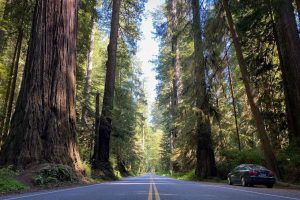
Few travel experiences compare with walking beneath ancient coast redwoods.
These extraordinary trees create an environment that feels quiet, majestic, cool, green, peaceful, humbling, and almost timeless.
A coastal cabin near Crescent City provides travelers with access to both the Pacific Ocean and some of the most remarkable redwood landscapes in the world. Visitors can spend the morning watching waves and the afternoon walking beneath trees that have stood for centuries.
Not every redwood park, trail, or scenic drive offers the same experience. Some are ideal for families, older adults, travelers with limited mobility, serious hikers, photographers, scenic drivers, first-time visitors, or guests with only a few hours.
This guide explains how to choose the best redwood experience near the Northern California coast, including easy walks, longer hikes, scenic drives, family-friendly options, weather considerations, safety, accessibility, wildlife, and sample itineraries.
Why the Northern California Coast Is Special
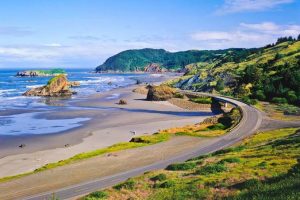
The Northern California coast brings several dramatic environments together within a relatively compact region.
- Ancient redwood forests.
- Pacific beaches.
- Rugged bluffs.
- Rivers.
- Fern-covered canyons.
- Wetlands.
- Coastal prairies.
- Wildlife habitats.
- Scenic highways.
- Small communities.
A vacation does not need to focus exclusively on the beach or exclusively on the forest. Guests can enjoy both.
What Makes Coast Redwoods Different?
Coast redwoods are known for their exceptional height and ability to thrive in the cool, moist climate of the Pacific Coast.
Their environment may include dense forest canopy, ferns, moss, fallen logs, streams, mist, filtered sunlight, rich forest soil, and quiet trails.
The experience is not only about seeing one large tree. It is about entering an entire ecosystem shaped by moisture, fog, rivers, forest succession, wildlife, and time.
Redwood National and State Parks
Travelers commonly explore several distinct locations, including Jedediah Smith Redwoods State Park, Del Norte Coast Redwoods State Park, Prairie Creek Redwoods State Park, Redwood National Park, and nearby scenic corridors and protected forests.
Each area has its own character. Some are known for river access, old-growth groves, scenic roads, coastal overlooks, wildlife, longer trails, or easier family walks.
Travelers do not need to see every park during one visit. Choosing one or two experiences carefully may be more rewarding than rushing through the entire region.
Jedediah Smith Redwoods State Park
Jedediah Smith Redwoods State Park is one of the most convenient major redwood destinations for guests staying near Crescent City and the California-Oregon border.
- Old-growth redwoods.
- The Smith River.
- Dense forest scenery.
- Scenic drives.
- Short trails.
- Longer hikes.
- Ferns and moss.
- Photography opportunities.
For many first-time visitors, this park provides the classic redwood experience they imagined before the trip.
Why Visit Jedediah Smith Redwoods?
It may appeal to families, couples, photographers, older travelers, repeat visitors, and guests with limited time. The exact experience depends on the chosen trail, road, weather, and current conditions.
Stout Grove
Stout Grove is one of the most recognized redwood groves in the Crescent City area. Visitors often appreciate its impressive old-growth trees, compact walking experience, fern-covered forest, filtered light, and nearby river scenery.
It may suit travelers who want a memorable grove without committing to a long hike. Check current trail, parking, road, weather, and access conditions before visiting.
Who May Enjoy Stout Grove?
First-time visitors, families with school-age children, couples, photographers, travelers with only part of a day, and guests combining the redwoods with another activity may find it appealing.
Howland Hill Road
Howland Hill Road is a well-known scenic route through old-growth redwood forest near Crescent City. Travelers may experience massive trees close to the road, dense forest, narrow sections, ferns, soft forest light, and access to trailheads.
This is not a standard high-speed road. Approach it as a scenic forest experience.
Important Vehicle Considerations
Before driving, confirm current road conditions, vehicle suitability, road closures, weather, width restrictions, surface conditions, whether trailers or oversized vehicles are appropriate, and whether your rental agreement permits travel on that type of road.
The route may include narrow sections, unpaved surfaces, limited shoulders, oncoming vehicles, pedestrians near trailheads, mud, or debris after storms. Drive slowly and be prepared to yield.
Is Howland Hill Road Suitable for Every Vehicle?
Not necessarily. Large recreational vehicles, trailers, oversized vans, low-clearance vehicles, and some rental vehicles may not be appropriate. Never depend only on a general map application to determine suitability.
Boy Scout Tree Trail
The Boy Scout Tree Trail may appeal to travelers who want a longer immersion in old-growth forest and a more active outing. Before attempting a longer trail, review distance, elevation, trail condition, daylight, weather, water needs, physical ability, and current closures.
Allow significantly more time than a short grove walk.
Del Norte Coast Redwoods State Park
Del Norte Coast Redwoods State Park combines forest and coastal landscapes. Depending on route and access, visitors may encounter redwoods, coastal slopes, ocean views, fern-covered trails, scenic highway sections, steep terrain, and changing weather.
It may be a good choice for scenic driving, coastal viewpoints, longer routes, forest-and-ocean scenery, and photography. Review terrain carefully before selecting a trail.
Prairie Creek Redwoods State Park
Prairie Creek is farther south than the Crescent City-area parks but can be included in a full-day outing or longer regional itinerary.
- Old-growth redwoods.
- Prairie landscapes.
- Wildlife.
- Ferns.
- Scenic drives.
- Coastal access.
- Hiking opportunities.
- A broad range of ecosystems.
It may be especially rewarding for guests staying several nights and willing to spend more time driving. Avoid combining too many additional destinations with it.
Wildlife at Prairie Creek
Keep a safe distance from wildlife, remain inside the vehicle when appropriate, never approach for photographs, avoid blocking roads, keep children close, control pets, and follow park instructions. A zoom lens or binoculars provides a safer view.
Newton B. Drury Scenic Parkway
Newton B. Drury Scenic Parkway is a well-known forest drive through the Prairie Creek area. It may provide redwood scenery, wildlife-viewing opportunities, trailhead access, a quieter alternative to faster highway travel, and potential stopping points.
Check current access before departure.
Avenue of the Giants
Avenue of the Giants is one of California’s most famous redwood scenic drives, but it is considerably farther south than Crescent City and White Rock Resort.
It may be appropriate for a separate road trip or longer California itinerary. It is generally not the most practical short excursion for someone staying near the California-Oregon border.
Redwood Highway
Portions of U.S. Highway 101 through Northern California’s redwood country can be part of the experience, connecting forest scenery, coastal viewpoints, park entrances, small towns, river crossings, scenic side roads, and trail access.
Drivers must remain focused. Do not stop in unsafe locations or attempt photographs while driving.
Choose a Redwood Experience Based on Time
One to Two Hours
Choose one short grove walk, nearby scenic road, visitor-information stop, or brief river viewpoint.
Half Day
Choose one major grove, one scenic drive, and one picnic or town stop.
Full Day
Choose one primary park, one or two trails, a scenic drive, a planned meal, and time for photographs and delays.
Multiple Days
Visit different environments such as Jedediah Smith, Del Norte Coast, Prairie Creek, coastal viewpoints, river areas, and short and long trails.
Best Redwood Experience for Families
Families may benefit from shorter trails, restroom access, nearby parking, picnic areas, limited elevation, clear turnaround points, and opportunities for children to observe nature.
Choose one main forest activity rather than several long hikes. Children may remember touching redwood bark where permitted, looking inside a hollow tree, finding cones, hearing birds, seeing enormous trunks, or eating a picnic beneath the canopy.
Redwood Activities for Toddlers
Plan for mud, wet clothing, snacks, bathroom needs, naps, sudden weather, and limited stroller access. Many natural trails are not suitable for ordinary strollers.
Redwood Activities for School-Age Children
Nature scavenger hunts, identifying bark, looking for nurse logs, photography, interpretive trails, and wildlife observation can make the forest engaging. Encourage observation rather than collecting.
Redwood Activities for Teenagers
Teenagers may appreciate photography, longer hikes, scenic drives, wildlife, forest history, choosing the day’s trail, and digital photography challenges. Let them help select trail length, lunch location, photography stops, or the final restaurant stop.
Redwood Experiences for Older Adults and Travelers With Limited Mobility
Older travelers may prefer shorter grove walks, scenic drives, benches where available, easy parking, limited elevation, visitor centers, river viewpoints, and frequent rest stops.
Ask about trail surface, roots, stairs, distance, restrooms, handrails, current accessibility, and mobility-device suitability.
Accessibility varies greatly among redwood sites. Some areas may provide paved paths, firm surfaces, accessible restrooms, designated parking, short viewing routes, and interpretive information. Others may include roots, mud, narrow bridges, uneven grades, fallen debris, soft surfaces, or steep slopes.
Do not assume a trail is accessible because it is described as short.
Best Redwood Experience for Photographers
Photographers may prefer early morning, overcast conditions, light fog, quiet trails, river reflections, fern-covered areas, old-growth groves, scenic roads, and filtered afternoon light.
The forest can be challenging because of low light, high contrast, moisture, limited space, and other visitors. Bring a lens cloth, rain protection, extra battery, adequate storage, and protective bags.
Photographing Large Trees
Consider including a person for scale, photographing upward, capturing trunk details, using pathways as leading lines, including ferns, photographing fallen logs, capturing light between branches, or creating panoramic images. Do not step off the trail or damage plants.
Best Time of Day
Morning: quiet trails, mist, softer light, fewer visitors. Midday: stronger light shafts and contrast. Afternoon: warm light, longer shadows, defined textures. Cloudy days can create even light that is excellent for forest photography.
Weather in the Redwoods
Visitors may encounter mist, light rain, cool shade, damp ground, fog, brief sun, dripping canopy after rain, and wind near exposed areas. The forest can remain cool even when town feels warm.
What to Wear
- Moisture-resistant jacket.
- Warm layer.
- Comfortable pants.
- Sturdy walking shoes.
- Extra socks.
- Hat.
- Clothing suitable for mud.
- Small daypack.
Rain in the Redwoods
Light rain may create richer colors, glossy ferns, forest mist, fewer visitors, a quiet atmosphere, and beautiful photography. Heavy rain may also cause mud, slippery roots, stream changes, fallen branches, road hazards, or closures.
Wind Safety
Strong wind can create hazards from falling branches, falling trees, road debris, blocked trails, reduced visibility, power interruptions, and emergency closures. Avoid redwood trails during severe wind events and follow park warnings.
Prepare Before You Hike
Before beginning a trail, confirm the route, distance, elevation, weather, sunset time, water needs, food, map, turnaround point, and current closures. Tell someone your plan.
Redwood forests may have limited or no mobile coverage. Download maps, save the property address, screenshot directions, carry printed information, save emergency contacts, charge your phone, and bring a battery bank.
Carry a paper map when practical. Pay attention to junctions, trail signs, bridges, landmarks, and turnaround points. Avoid unofficial paths.
River Safety
The Smith River and other waterways can be beautiful, but conditions vary. Hazards may include cold water, strong current, deep pools, slippery rocks, sudden drop-offs, seasonal flooding, and unstable banks.
Keep children close. Do not enter water without understanding current conditions and local rules. A calm surface does not guarantee safe depth or temperature.
Wildlife in Redwood Areas
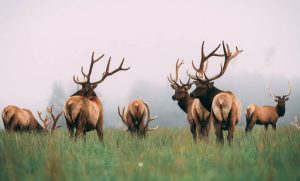
Visitors may encounter deer, elk, birds, small mammals, amphibians, reptiles, insects, and larger wildlife.
Observe all animals from a safe distance. Do not feed wildlife, approach young animals, leave food unattended, block animals with vehicles, encourage animals toward trails, or attempt close-up photographs.
Food Storage
Keep food in secure containers or a closed backpack, clean up crumbs and picnic waste, and never leave food scraps behind.
Pets in Redwood Parks and Leave No Trace
Pet rules vary by park and location. Many natural trails do not allow pets. Confirm exact rules, keep pets leashed where permitted, bring waste bags, avoid wildlife, and plan an alternative activity when trails prohibit pets.
Protect the redwoods by staying on trails, packing out trash, leaving plants and natural objects, avoiding carved names, not climbing sensitive trees, keeping noise reasonable, respecting wildlife, following fire rules, using designated restrooms, and respecting closures.
Do not carve trees or disturb sensitive roots. Fallen logs are part of the forest ecosystem and should remain undisturbed.
Restrooms, Parking, Fuel, Food, and Daylight
Some redwood locations have limited services. Before leaving, consider restrooms, drinking water, food, fuel, trash disposal, parking, visitor information, and medical needs.
Popular locations may have limited parking. Use designated spaces, never park on vegetation, keep valuables out of sight, and have an alternate destination if a lot is full.
Fuel before long scenic days. Electric-vehicle travelers should confirm charging locations, compatibility, backup chargers, estimated range, elevation changes, weather effects, and distance back to the cabin.
For a redwood day, bring drinking water, sandwiches, fruit, snacks, dietary essentials, and emergency food. Forest trails can become dark earlier under the canopy, so plan around daylight and carry a flashlight or headlamp for longer outings.
Build a Redwood Day That Fits Your Stay
Half-Day Redwood Itinerary
Eat breakfast at the cabin, pack water and snacks, download directions, choose one old-growth grove or short trail, add a river viewpoint or picnic if time allows, and return in the afternoon for rest and sunset.
Full-Day Jedediah Smith Itinerary
Leave after breakfast, take an approved scenic route, complete a short old-growth walk, have a picnic, visit a river viewpoint, choose one additional moderate activity, and return to White Rock Resort with enough time for a relaxed evening.
Full-Day Prairie Creek Itinerary
Depart early, confirm road conditions, drive a scenic parkway, observe wildlife safely, picnic, complete one selected trail, make one additional approved stop, and begin the return drive with adequate daylight.
Easy Family Redwood Day
Choose a short drive, easy grove walk, nature activity, picnic, restroom stop, river viewpoint, and a scenic drive during nap time. Keep the forest experience positive rather than exhausting.
Photography-Focused Redwood Day
Arrive early, photograph soft light and mist, review images at midday, protect equipment from moisture, drive a scenic road in the afternoon, and return before dark to back up photographs.
Rainy Redwood Day
For light rain, bring a waterproof jacket, sturdy shoes, extra socks, camera protection, and towels. Choose a scenic drive, short grove walk, visitor information stop, and lunch in town. Avoid longer hikes during heavy rain, flooding, or strong wind.
Common Redwood-Trip Mistakes
Trying to Visit Every Park
Choose one primary area.
Depending Entirely on GPS
Download maps and carry directions.
Underestimating Driving Time
Forest roads may be slow.
Starting a Long Hike Too Late
Forest darkness arrives early.
Ignoring Wind Warnings
Falling branches can be dangerous.
Approaching Wildlife
Use binoculars or zoom lenses.
Assuming All Trails Allow Dogs
Confirm exact rules.
Entering Narrow Roads With an Unsuitable Vehicle
Check restrictions first.
Leaving No Time for the Cabin
Return early enough to relax.
How to Choose the Right Redwood Park
- How much time do you have? A short stay favors nearby parks.
- Who is traveling? Children, older adults, pets, and mobility needs affect the choice.
- What experience do you want? Choose an easy walk, long hike, scenic drive, wildlife, photography, river, or coast-and-forest combination.
- What is the weather? Rain and wind may change the safest option.
- What vehicle are you driving? Some scenic roads may not suit large or low-clearance vehicles.
Questions to Ask Before Leaving White Rock Resort
- Which park is closest?
- Which drive is suitable for our vehicle?
- Are current road closures in effect?
- Which trail is best for young children?
- Which option has the easiest parking?
- Are restrooms available?
- Are dogs allowed?
- Is the route appropriate after rain?
- Will cell service be limited?
- How much driving time should we expect?
- Which route has the best old-growth scenery?
- Where can we safely picnic?
- Which trails are suitable for older travelers?
- Is a visitor center open?
- Are permits or reservations required?
- What time should we leave?
- Where should we fuel the vehicle?
- What weather differences should we expect?
- Which route should oversized vehicles avoid?
- What is the best backup plan if parking is full?
“Do not judge a redwood outing by how many miles you walked or how many parks you visited. Choose one grove. Walk slowly. Look upward. Notice the ferns, fallen logs, filtered light, and sound of the forest.”
Why Guests Choose White Rock Resort for Redwood Trips
White Rock Resort provides a coastal home base near Crescent City, the California-Oregon border, Jedediah Smith redwood country, scenic coastal roads, beaches, rivers, Brookings, and regional parks.
Depending on the accommodation selected, guests may return after a forest outing to ocean views, beach access, a kitchen or kitchenette, comfortable living space, outdoor seating, Wi-Fi, convenient parking, a quiet evening, and responsive guest service.
The combination of coast and redwoods allows travelers to experience two extraordinary environments during one vacation.
Frequently Asked Questions
What is the closest major redwood park to Crescent City?
Jedediah Smith Redwoods State Park is one of the most convenient major redwood destinations near Crescent City.
What is the best redwood park for first-time visitors?
Many first-time visitors enjoy Jedediah Smith because it offers old-growth forest, scenic drives, trails, and river scenery.
Is Stout Grove a long hike?
It is generally chosen as a shorter grove experience, but current trail and access conditions should always be checked.
Is Howland Hill Road paved?
Sections may have an unpaved or natural road surface. Confirm current conditions before driving.
Can recreational vehicles use every scenic redwood road?
No. Narrow roads, surface conditions, and restrictions may make some routes unsuitable for large vehicles or trailers.
Is Prairie Creek worth the drive?
It may be very worthwhile for travelers with a full day or longer stay who want forest, wildlife, prairie, and scenic driving.
Is Avenue of the Giants near Crescent City?
It is much farther south and is better suited to a longer road trip or separate itinerary.
Are redwood trails stroller-friendly?
Some developed routes may be more manageable than others, but many natural trails include roots, mud, and uneven surfaces.
Are dogs allowed on redwood trails?
Rules vary, and many natural trails restrict pets. Confirm the exact location before visiting.
Is cell service reliable in the redwoods?
No. Coverage may be limited or unavailable.
Can we visit the redwoods in the rain?
Light rain can create a beautiful experience, but heavy rain, flooding, or high winds may require a change of plans.
What should we wear?
Wear layers, sturdy shoes, and clothing suitable for damp or muddy conditions.
Is a scenic drive enough to experience the redwoods?
A scenic drive can be an excellent choice, especially for visitors with limited mobility, young children, or limited time.
How many redwood parks should we visit in one day?
Usually one primary park is enough.
How long should we allow for a redwood outing?
Allow at least a half day for a meaningful nearby experience and a full day for more distant parks or multiple stops.
Let the Forest Set the Pace
Do not judge a redwood outing by how many miles you walked or how many parks you visited.
Choose one grove. Walk slowly. Stop talking for a few minutes. Look upward. Notice the ferns, fallen logs, filtered light, and sound of the forest.
The most powerful redwood experience often happens when travelers stop trying to complete the itinerary and simply allow themselves to stand beneath the trees.
Related Articles
- What Are the Best Things to Do Near a Northern California Coastal Cabin?
- How Long Should You Stay in a Coastal Cabin?
- What Is the Best Time of Year to Visit the Northern California Coast?
- What Should You Pack for a Northern California Coastal Vacation?
- Are Coastal Cabins Safe During Storms?
- Are Coastal Cabins Good for Families?
- Do Coastal Cabins Have Wi-Fi and Cell Service?
- The Ultimate Northern California Coastal Vacation Guide
Explore the Redwoods From White Rock Resort
A redwood visit can be as simple as a short grove walk or as ambitious as a full-day forest adventure. Choose the experience that fits your time, vehicle, mobility, weather, and travel companions.
Explore Cabins & AvailabilityPlanning information should be verified with current official park and road sources before travel, especially for closures, trail access, permits, vehicle restrictions, weather, and seasonal services.