The Northern California and Southern Oregon coast can be an excellent destination for a family vacation.
Within a relatively compact region, families may experience Pacific Ocean beaches, ancient redwood forests, scenic coastal drives, harbors, wildlife, tide pools, playgrounds, picnic areas, small coastal communities, rainy-day cabin activities, and educational outdoor experiences.
The area offers enough variety for toddlers, school-age children, teenagers, parents, grandparents, and multigenerational groups.
However, a successful family vacation is not created by scheduling the greatest number of attractions. Children often enjoy simple experiences more than complicated itineraries.
A short beach walk, a picnic beneath the redwoods, watching boats in the harbor, or playing games together in the cabin may become more memorable than an exhausting day spent driving between distant destinations.
The best family itinerary balances exploration, rest, safety, meals, nap schedules, weather, children's attention spans, adult interests, and time at the cabin.
This guide explains how to plan family-friendly activities near Crescent City, Brookings, White Rock Resort, and the surrounding Redwood Coast.
Why the Crescent City and Brookings Area Works for Families
The region offers several advantages for family travelers. Families can often combine a beach and forest in one day, outdoor recreation with town services, scenic driving with short walks, educational experiences with play, adventure with comfortable cabin time, and Northern California and Southern Oregon in one vacation.
The landscape changes quickly. A family may begin the morning beside the ocean, eat lunch near a harbor, walk among redwoods in the afternoon, and return to a cabin for dinner and games. This variety can help children remain interested without requiring elaborate entertainment.
Begin With Realistic Expectations
Children experience travel differently than adults. Adults may want to complete a long hike, visit several viewpoints, photograph every landmark, eat at a scheduled restaurant, or drive a scenic route from beginning to end.
Children may want to look at one unusual rock, throw leaves, watch a boat, find a banana slug, play in the sand, return to the cabin, eat a snack, or rest.
A successful family trip allows room for both. Plan fewer major activities and leave more time for transitions.
Choose One Main Activity Each Day
A practical family schedule may include one major outing, one optional short stop, and one substantial period of cabin time.
Main activity: Short redwood walk. Optional stop: Harbor or playground. Cabin time: Nap, dinner, and family games.
This structure reduces rushing, meltdowns, missed meals, overtired children, frustration, and conflict over schedules. Families can always add an activity when everyone still has energy. It is much harder to recover after an overplanned day.
Best Activities for Toddlers
Toddlers do not need a complex sightseeing schedule. They may enjoy short beach walks, playing in dry sand far from the surf, watching birds, looking at boats, walking around the cabin property, looking for large trees, a simple playground, eating a picnic, watching waves from a safe distance, riding during a scenic drive, looking for animals, and playing with familiar toys in the cabin.
- Short beach walks
- Playing in dry sand far from the surf
- Watching birds
- Looking at boats
- Walking around the cabin property
- Looking for large trees
- A simple playground
- Eating a picnic
- Watching waves from a safe distance
- Riding during a scenic drive
- Looking for animals
- Playing with familiar toys in the cabin
The best toddler activities are short, flexible, easy to leave, close to restrooms, near the vehicle, and safe for wandering only within controlled boundaries.
Plan Around Toddler Nap Schedules
Nap timing can shape the entire day.
Morning outing: Eat breakfast, visit the beach or redwoods, return to the cabin for lunch and nap, then take a short evening walk.
Scenic-drive nap: Complete a short morning activity, place the child in the vehicle at nap time, take a calm scenic drive, and stop only after the child wakes.
Split-parent schedule: One parent remains at the cabin during nap while another parent takes older children on a short activity, then the family reunites later.
A cabin can make naps easier because families may have more space, privacy, and kitchen access than in a standard hotel room.
What to Bring for Toddlers
Useful items may include a stroller appropriate for the planned route, child carrier, snacks, water, diapers, wipes, change of clothing, warm layers, rain jacket, sun protection, small blanket, favorite toy, portable changing supplies, towels, plastic bags for wet clothing, and child-safe first-aid items.
- Stroller appropriate for the planned route
- Child carrier
- Snacks
- Water
- Diapers
- Wipes
- Change of clothing
- Warm layers
- Rain jacket
- Sun protection
- Small blanket
- Favorite toy
- Portable changing supplies
- Towels
- Plastic bags for wet clothing
- Child-safe first-aid items
Many natural trails are not appropriate for standard strollers. Confirm the full route before assuming wheels will work.
Best Activities for Preschool Children
Preschool children may enjoy nature scavenger hunts, short redwood trails, beach games, watching marine animals from a distance, harbor walks, playgrounds, collecting photographs, counting boats, looking for different leaf shapes, finding animal tracks, family picnics, and simple interpretive displays.
Keep educational activities playful. Ask questions such as: Which tree looks tallest? How many shades of green can you find? Can you hear a bird? Which leaf is the biggest? What do you think lives under that fallen log?
Curiosity is more important than completing a lesson.
Best Activities for School-Age Children
School-age children can usually participate in a wider range of activities, including short and moderate redwood walks, tide-pool exploration, wildlife observation, harbor visits, scenic drives, photography, nature journals, picnics, beachcombing, visitor centers, historical landmarks, family games, and choosing one activity each day.
This age group often enjoys having a goal. Possible goals include photographing three different birds, finding five leaf shapes, identifying a nurse log, counting offshore rocks, drawing a map of the day, writing down the funniest moment, or finding something smooth, rough, tall, and tiny without removing it.
Best Activities for Teenagers
Teenagers may enjoy the coast more when they are included in planning. Possible activities include photography, longer walks, tide pools, scenic drives, wildlife viewing, shopping, coffee shops, beach sunsets, music during road trips, choosing a restaurant, social-media photography, quiet time at the cabin, reading, remote creative projects, and helping younger siblings with a nature hunt.
Teenagers may resist an itinerary that feels designed only for small children. Include at least one activity that reflects their interests.
Give Teenagers Some Independence
Appropriate independence may include choosing the family lunch stop, planning a photography challenge, walking slightly ahead on a safe, visible trail, selecting music for the drive, preparing part of a meal, choosing the evening game, having quiet time at the cabin, and helping research a safe activity.
Boundaries should remain clear. Teenagers should still understand surf risks, cliff hazards, wildlife rules, trail limits, return times, and mobile-service limitations.
Multigenerational Family Activities
Families traveling with grandparents may benefit from activities that allow different participation levels. Good options may include scenic redwood drives, short forest walks, coastal overlooks, harbor visits, picnics, restaurant meals, wildlife viewing, easy-access beaches, cabin gatherings, family photographs, board games, and storytelling evenings.
- Scenic redwood drives
- Short forest walks
- Coastal overlooks
- Harbor visits
- Picnics
- Restaurant meals
- Wildlife viewing
- Easy-access beaches
- Cabin gatherings
- Family photographs
- Board games
- Storytelling evenings
One person may walk a longer trail while another enjoys a nearby viewpoint. The family can reunite for lunch without requiring everyone to complete the same physical activity.
Visit the Redwoods as a Family
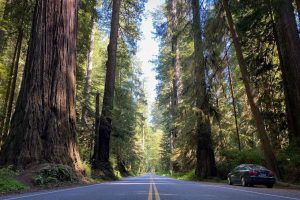
The redwoods can be one of the most meaningful family experiences in the region. Children may remember the size of the trees, filtered light, smell of the forest, ferns, fallen logs, birds, moss, quiet, and the feeling of looking upward.
A family redwood outing does not need to be long. A short old-growth walk may be more successful than a difficult hike.
Choose a Family-Friendly Redwood Experience
Look for short distance, moderate or minimal elevation, nearby parking, a clear trail, restrooms where available, a known turnaround point, good daylight, and current safe conditions.
- Short distance
- Moderate or minimal elevation
- Nearby parking
- Clear trail
- Restrooms where available
- A known turnaround point
- Good daylight
- Current safe conditions
Avoid choosing a trail based only on beautiful photographs. Review roots, mud, stairs, bridges, distance, elevation, pet restrictions, weather, and wind warnings.
Create a Redwood Scavenger Hunt
A family scavenger hunt may include a fallen log, fern, moss, bird call, cone, tree wider than two people, tiny plant, bridge, mushroom viewed without touching, hollow tree, water, or something shaped like a face.
- A fallen log
- A fern
- Moss
- A bird call
- A cone
- A tree wider than two people
- A tiny plant
- A bridge
- A mushroom viewed without touching
- A hollow tree
- Water
- Something shaped like a face
Children should observe and photograph rather than remove natural objects. The forest should remain exactly as they found it.
Teach Children to Respect the Forest
Explain simple rules before entering: stay on the trail, do not carve trees, do not pull bark, do not pick plants, do not chase animals, keep voices reasonable, carry out trash, do not climb unstable logs, stay where adults can see you, and stop at trail intersections.
- Stay on the trail
- Do not carve trees
- Do not pull bark
- Do not pick plants
- Do not chase animals
- Keep voices reasonable
- Carry out trash
- Do not climb unstable logs
- Stay where adults can see you
- Stop at trail intersections
Children are more likely to follow rules when they understand that the forest is a living home.
Take a Family Beach Walk
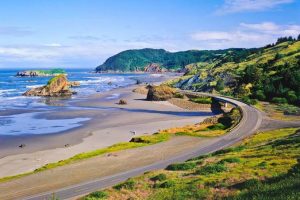
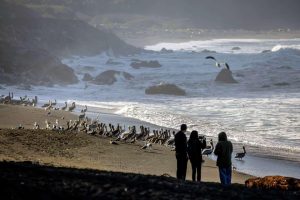
A beach walk can be adapted to almost every age group. Families may enjoy looking for interesting patterns, watching birds, taking photographs, drawing in damp sand, counting waves from a safe distance, looking at driftwood without climbing near surf, watching sunset, walking a leashed dog where allowed, and having a picnic above the active waterline.
The beach should be treated as a natural environment, not a controlled playground.
Beach Safety With Children
Before stepping onto the sand, explain where children may walk, how far they must remain from the water, why they may not climb on wet driftwood, why they should not turn their backs on the ocean, what to do if a wave reaches farther than expected, why they must stay close, and why cliffs and rocks may be unstable.
Young children should remain within immediate reach. One adult should continue watching the ocean even when the rest of the family is distracted.
Build in the Sand Far From the Surf
Children can enjoy the beach without approaching breaking waves. Possible activities include sand castles, roads, animal shapes, footprint trails, drawing names, creating temporary patterns, and digging shallow holes that are filled before leaving.
Choose a location well above the active surf, away from unstable driftwood, away from cliff bases, outside protected habitat, and clear of vehicle routes.
Fill large holes before leaving because they can create hazards for people and wildlife.
Explore Tide Pools Carefully
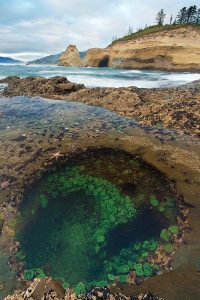
Tide pools can be fascinating for children. Families may observe anemones, crabs, small fish, snails, mussels, sea stars, algae, and other intertidal life.
Before tide pooling, check tide timing and surf, wear secure shoes, keep children close, identify the return route, arrive before low tide, and leave before the tide rises significantly.
Do not allow children to handle animals unless a qualified program specifically permits it.
Create a Tide-Pool Observation Game
Ask children to find, without touching, something that moves, something that closes, something attached to a rock, something camouflaged, something with a shell, something green, something smaller than a fingernail, and something that reacts to water.
This keeps children engaged while protecting the habitat.
Visit Crescent City Harbor
A harbor visit may appeal to children because there is often visible activity. Families may see fishing boats, working vessels, seabirds, sea lions or seals from a safe distance, trucks, nets, water movement, docks, and harbor equipment.
- Fishing boats
- Working vessels
- Seabirds
- Sea lions or seals from a safe distance
- Trucks
- Nets
- Water movement
- Docks
- Harbor equipment
A harbor outing may be paired with lunch, a short walk, grocery shopping, a playground, a beach stop, or a restaurant.
Remain in public areas and keep children away from working equipment and vehicle traffic.
Harbor Safety
Harbors are active work environments. Children should not run near dock edges, climb railings, enter restricted areas, touch fishing equipment, approach wildlife, walk behind moving vehicles, lean over barriers, or board boats without permission.
Adults should remain alert even when the setting appears calm.
Watch Wildlife as a Family
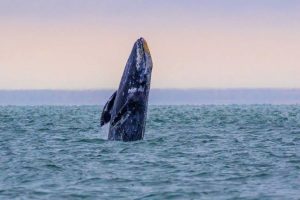
Possible wildlife sightings may include seals, sea lions, whales, deer, elk, otters, shorebirds, pelicans, raptors, and forest animals.
- Seals
- Sea lions
- Whales
- Deer
- Elk
- Otters
- Shorebirds
- Pelicans
- Raptors
- Forest animals
Wildlife viewing teaches patience. Sightings are not guaranteed. Animals should not be fed. Distance protects both people and animals. A zoom lens is better than approaching. Young animals should never be touched. Dogs must remain controlled.
Bring Binoculars
Children may enjoy sharing binoculars to look for boats, birds, offshore rocks, whales, harbor activity, distant wildlife, and forest canopy.
Teach children to use the neck strap carefully. Set a family rule that binoculars are used while standing still rather than walking.
Visit a Playground
Playgrounds can be extremely valuable during a family road trip. Children may need familiar movement, climbing, running, unstructured play, time away from adult sightseeing, and interaction with other children.
- Before lunch
- After grocery shopping
- Between scenic stops
- Before a longer drive
- While one parent handles errands
A playground may fit well before lunch, after grocery shopping, between scenic stops, before a longer drive, or while one parent handles errands.
Bring dry clothing when the weather is wet.
Why Playgrounds Matter on Vacation
Including one ordinary childhood activity can improve the entire family's mood. Children may see a playground as a break from rules, a place designed for them, a chance to move freely, and a familiar activity in an unfamiliar place.
Plan a Family Picnic
A picnic can be easier than restaurant dining with young children. Bring sandwiches, fruit, cheese, crackers, water, simple snacks, napkins, trash bags, hand-cleaning supplies, warm drinks in cool weather, and a waterproof blanket.
- Sandwiches
- Fruit
- Cheese
- Crackers
- Water
- Simple snacks
- Napkins
- Trash bags
- Hand-cleaning supplies
- Warm drinks in cool weather
- A waterproof blanket
Choose an approved location with safe parking, stable seating, restrooms where possible, shelter from strong wind, and space away from traffic.
Pack out all waste.
Let Children Help Prepare the Picnic
Children may help choose fruit, pack napkins, count water bottles, select one snack, carry a lightweight bag, or choose the picnic location from two approved options.
Participation can make children more interested in the meal and the day.
Take a Scenic Family Drive
A scenic drive can work well when children need rest, weather is light but unsettled, grandparents prefer limited walking, the family wants to see more coastline, a baby may nap in the vehicle, or everyone needs a lower-energy day.
Possible scenery may include redwoods, ocean overlooks, rivers, harbors, beaches, small towns, and forested hills.
Keep the drive reasonable. Children may not appreciate several continuous hours in the vehicle, regardless of the scenery.
Make Scenic Drives More Engaging
Create a simple road-trip game. Look for a red vehicle, a bridge, a fishing boat, a waterfall, a very large tree, a bird of prey, an ocean view, a lighthouse, a harbor, a state-line sign, a rainbow, or fog.
- A red vehicle
- A bridge
- A fishing boat
- A waterfall
- A very large tree
- A bird of prey
- An ocean view
- A lighthouse
- A harbor
- A state-line sign
- A rainbow
- Fog
Avoid games that distract the driver.
Visit Brookings as a Family
Brookings may provide a family-friendly day trip with a combination of beaches, parks, harbor activity, restaurants, shops, scenic viewpoints, picnic areas, and short walks.
A Brookings outing can work well for families who want a change of scenery, a restaurant meal, a more structured town day, a beach plus other services, or time in Southern Oregon.
Do not schedule too many distant coastal stops during the same day.
Combine Harris Beach With Brookings
A practical family outing may include morning at Harris Beach, lunch in Brookings, a harbor or park stop, a short scenic viewpoint, and a return to White Rock Resort before children become overtired.
This combination offers both outdoor activity and access to food, restrooms, and town services.
Explore Crescent City as a Family
A Crescent City family day may include a harbor visit, beach walk, lunch, local shopping, scenic viewpoint, grocery stop, playground, lighthouse views when conditions allow, and a short coastal drive.
Because Crescent City provides practical services, it can be useful on a day when the family does not want a remote adventure.
Visit a Lighthouse or Coastal Landmark
Children may enjoy coastal landmarks because they provide a clear destination, historical interest, photography, stories, ocean views, and a sense of adventure.
Before visiting, confirm current access, tide dependence, walking distance, operating hours, weather, safety barriers, and whether tours are available.
Never cross water-covered routes or barriers to reach a lighthouse.
Create a Family Photography Challenge
Give each person a theme: something enormous, something tiny, something red, something moving, something peaceful, something shaped like a letter, a family reflection, a funny sign, a favorite tree, or a favorite wave.
- Something enormous
- Something tiny
- Something red
- Something moving
- Something peaceful
- Something shaped like a letter
- A family reflection
- A funny sign
- A favorite tree
- A favorite wave
At the cabin, everyone can choose one photograph to share. This creates a family activity without requiring additional travel.
Make a Family Nature Journal
A simple notebook may include date, weather, places visited, animals seen, favorite activity, new word learned, drawing, photograph, funny memory, and something to do next time.
Young children can draw. Older children can write. Adults can add family observations. The journal becomes a vacation keepsake.
Plan a Family Movie Night
A cabin movie night can be useful after a long outdoor day, during rain, when children are tired, during a powerfully windy evening, or when the family needs quiet time.
Prepare by downloading movies in advance, bringing familiar snacks, checking screen options, packing comfortable sleepwear, and establishing a reasonable bedtime.
A simple movie night can become a favorite part of the vacation.
Bring Board Games and Cards
Good family cabin games include simple card games, dominoes, charades, trivia, matching games, cooperative board games, drawing games, puzzles, and story-building games.
Choose games that work for several ages, do not require many small pieces around toddlers, can be completed in a reasonable time, and do not create excessive conflict.
Bring more than one option.
Cook Together in the Cabin
A cabin kitchen may allow families to prepare pancakes, tacos, pasta, soup, sandwiches, pizza, breakfast-for-dinner, hot chocolate, and simple desserts.
Children may help with age-appropriate tasks such as washing fruit, setting the table, mixing ingredients, choosing toppings, counting plates, and preparing napkins.
Keep the meal simple. Vacation cooking should create family time rather than additional stress.
Have a Family Breakfast Before Exploring
Breakfast in the cabin may be easier than taking everyone to a restaurant each morning. Advantages include flexible timing, familiar food, lower cost, easier toddler routines, less waiting, the ability to prepare packed lunches, and more relaxed mornings.
Simple options include cereal, yogurt, fruit, eggs, toast, oatmeal, pancakes, and breakfast sandwiches.
Prepare as much as possible the night before.
Plan a Special Restaurant Meal
One carefully chosen restaurant meal may feel more special than eating out constantly. Choose a meal based on children's best time of day, reservation availability, menu suitability, noise tolerance, driving distance, dietary needs, parking, and wait times.
An early dinner may work better for families with young children. Bring a small quiet activity while waiting.
Low-Cost Family Activities
Many of the region's most memorable family experiences may require little or no admission fee. Possible low-cost activities include beach walks, redwood walks, scenic drives, harbor visits, picnics, wildlife viewing, photography, sunset, playground time, nature journals, cabin games, family cooking, birdwatching, and tide-pool observation where safely accessible.
- Beach walks
- Redwood walks
- Scenic drives
- Harbor visits
- Picnics
- Wildlife viewing
- Photography
- Sunset
- Playground time
- Nature journals
- Cabin games
- Family cooking
- Birdwatching
- Tide-pool observation where safely accessible
The primary costs may be fuel, food, parking where applicable, equipment, and lodging.
Families do not need to purchase a ticket for every day to have a meaningful vacation.
Free Activities Children May Remember Most
Children may remember finding a banana slug, seeing a sea lion, walking inside a hollow tree, watching a large wave, eating a picnic, playing cards at night, seeing stars, finding a feather, watching fog move through trees, choosing the family dessert, making a sand castle, or hearing the ocean from the cabin.
Expensive attractions do not automatically create the strongest memories.
Rainy-Day Family Activities
Rain is common on the coast and should be included in the plan. Possible rainy-day activities include scenic driving when conditions are safe, harbor viewing from protected areas, local shops, café or bakery stops, family cooking, board games, movies, reading, drawing, puzzles, travel journals, short walks during light rain, cabin treasure hunts, and planning the next day.
- Scenic driving when conditions are safe
- Harbor viewing from protected areas
- Local shops
- Café or bakery stop
- Family cooking
- Board games
- Movies
- Reading
- Drawing
- Puzzles
- Travel journals
- Short walks during light rain
- Cabin treasure hunt
- Planning the next day
- Sorting family photographs
Rain does not need to cancel the vacation.
Create a Cabin Treasure Hunt
Hide or identify safe everyday items. Possible clues include finding something soft, something used for cooking, something shaped like a circle, something that keeps us warm, something blue, the book with the most pages, or something brought from home.
Do not hide items in locked areas, near heaters, kitchen appliances, cleaning storage, owner cabinets, or unsafe outdoor locations.
Keep the activity respectful of the property.
Indoor Art Activities
Bring compact supplies such as crayons, washable markers, paper, stickers, coloring books, child-safe scissors, glue sticks, and travel watercolor sets only when carefully supervised.
- Crayons
- Washable markers
- Paper
- Stickers
- Coloring books
- Child-safe scissors
- Glue sticks
- Travel watercolor sets only when carefully supervised
Children may create redwood drawings, ocean pictures, family postcards, nature journals, vacation maps, thank-you cards, and wildlife sketches.
Protect tables and follow property rules.
Read Coastal and Redwood Books
Bring or purchase age-appropriate books about redwoods, whales, tide pools, birds, lighthouses, coastal weather, local history, and nature.
Reading before or after an outing can help children understand what they experienced. A child who learns about nurse logs before a forest walk may be excited to find one.
Plan for Changing Weather
Clear-weather plan: beach, redwood walk, picnic, wildlife, playground, scenic overlook.
Light-rain plan: short forest walk, scenic drive, harbor, town, café, cabin activities.
Severe-weather plan: remain indoors, games, movies, cooking, reading, art, safe storm-watching, rest.
Families should decide on backup activities before the weather changes.
Pack Extra Clothing
Children may become wet or muddy from rain, tide pools, sand, puddles, forest trails, spilled drinks, wet grass, or unexpected waves.
Bring extra socks, extra pants, extra shirt, warm layer, rain jacket, dry shoes, plastic bag for wet clothing, and towels.
Keep one complete change of clothing in the vehicle.
Family Footwear
Useful footwear may include sturdy walking shoes, waterproof boots in wet seasons, closed-toe shoes for rocky areas, dry cabin shoes, and backup socks.
- Sturdy walking shoes
- Waterproof boots in wet seasons
- Closed-toe shoes for rocky areas
- Dry cabin shoes
- Backup socks
Avoid relying only on flip-flops. Natural trails and rocky beaches may include roots, mud, wet stone, driftwood, uneven ground, and sharp objects.
Bring Enough Snacks
Hunger can quickly affect a family outing. Bring snacks that are easy to carry, familiar, not excessively messy, appropriate for the weather, and suitable for dietary needs.
- Fruit
- Crackers
- Cheese
- Sandwiches
- Trail mix where age-appropriate
- Granola bars
- Pretzels
- Vegetables
- Water
Examples include fruit, crackers, cheese, sandwiches, trail mix where age-appropriate, granola bars, pretzels, vegetables, and water.
Do not leave food scraps in natural areas.
Build in Restroom Stops
Before beginning a walk or scenic drive, ask when the last restroom was, whether there is one at the destination, whether it is open, how long the trail is, and whether the family can return quickly.
Use restrooms when available. Young children may not give much warning. Carry appropriate emergency supplies, but follow all public-land rules.
Family Safety in Remote Areas
Before visiting a remote beach or forest, download maps, charge phones, carry water, bring food, tell someone the plan, check weather, review road conditions, confirm sunset time, carry a flashlight, keep children close, and know the turnaround point.
Do not rely on mobile service.
Teach Children What to Do if Separated
Before each outing, explain: stop moving, stay where you are, call loudly for the adult, look for a uniformed ranger or responsible family, do not leave the trail, do not hide, and do not walk toward the road alone.
Take a current photograph of children before entering a crowded or forested area.
Make sure older children know parent names, phone number, cabin name, and basic emergency procedure.
Use Identification for Young Children
Families may consider placing a parent's phone number on a wristband, a card in the child's pocket, an approved identification tag, or a backpack label.
Do not display unnecessary personal information publicly. Identification can be helpful in crowded or unfamiliar places.
Family Wildlife Safety
Teach children: never feed wildlife, never touch an animal, never move closer for a photograph, never block an animal, never approach a baby animal, never run from large wildlife without adult instruction, keep food secured, and tell an adult immediately when an animal is seen.
Parents should model the same behavior.
Family Beach Safety
Children should understand that the water is cold, waves may reach unexpectedly far, driftwood may move, rocks may be slippery, the tide can rise, cliffs may collapse, and the ocean requires continuous attention.
Do not allow children to play at the waterline while adults are reading, photographing, or talking without direct supervision.
Family Redwood Safety
Children should understand: stay on the trail, do not run across roots, do not climb unstable logs, do not separate from adults, do not touch unfamiliar plants or mushrooms, stop at every trail junction, listen for instructions, and carry a whistle only when taught how and when to use it.
Forest quiet can make children feel secure, but trails may still contain hazards.
Choose Activities Based on Energy, Not Ambition
Parents may feel pressure to complete the planned itinerary because they traveled a long distance. However, a tired family may benefit more from returning to the cabin, eating an early dinner, taking a nap, playing a game, watching sunset nearby, or skipping an optional stop.
A flexible decision is not a failed vacation. It may protect the quality of the remaining trip.
Signs Children Need a Break
Watch for irritability, repeated arguing, slower walking, complaints about minor issues, hunger, frequent requests to be carried, unsafe behavior, lack of interest, crying, sudden hyperactivity, and difficulty following instructions.
Respond early. A snack and rest may prevent a complete meltdown.
Avoid Comparing Children
One child may love hiking. Another may prefer the harbor. One may enjoy wildlife. Another may want to return to the cabin. Allow different interests without treating one child as more adventurous or cooperative.
A family vacation should not become a test of endurance.
Let Each Family Member Choose Something
For a longer stay, allow each person to choose one approved activity. A parent may choose a redwood walk, a child a playground, a teenager a restaurant, a grandparent a scenic drive, and another child the evening game.
This creates shared ownership of the trip.
Family Activity Planning by Trip Length
Two-Night Stay
- One redwood outing.
- One beach walk.
- One family meal.
- Cabin relaxation.
Three-Night Stay
- Harbor or town visit.
- Playground.
- Picnic.
- Sunset.
Four- or Five-Night Stay
- Brookings day trip.
- Tide pools.
- Scenic drive.
- Flexible weather day.
- Wildlife outing.
Full Week
- Multiple redwood areas.
- Repeat favorite beach.
- Rest day.
- Family cooking night.
- Shopping.
- Photography project.
- One special guided activity where suitable.
Sample Two-Night Family Itinerary
Day One: Arrival
- Check in.
- Unpack essential items.
- Explore the immediate property.
- Take a short safe beach walk.
- Eat an easy dinner.
- Play one family game.
Day Two: Redwoods and Coast
- Eat breakfast at the cabin.
- Complete a short family-friendly redwood walk.
- Have a picnic.
- Return for rest.
- Visit a nearby beach or harbor in the late afternoon.
- Watch sunset from a safe location.
Day Three: Departure
- Eat breakfast.
- Take a short final walk.
- Pack.
- Check out without rushing.
Sample Three-Night Family Itinerary
Day One: Arrival and Settle In
- Check in.
- Purchase any final groceries.
- Explore nearby.
- Eat an early dinner.
- Prepare clothing for the next day.
Day Two: Redwood Day
- Breakfast.
- Short old-growth walk.
- Nature scavenger hunt.
- Picnic.
- Scenic drive during nap or rest time.
- Cabin dinner.
- Movie night.
Day Three: Beach and Harbor Day
- Check tides and surf.
- Visit an easy-access beach.
- Eat lunch in Crescent City.
- Visit the harbor or playground.
- Return for quiet time.
- Take a short sunset walk.
Day Four: Departure
- Breakfast.
- Pack.
- Family photograph.
- Check out.
Sample Five-Night Family Itinerary
- Day One: Arrival, groceries, and cabin relaxation.
- Day Two: Family-friendly redwood walk and picnic.
- Day Three: Crescent City beach, harbor, and playground.
- Day Four: Brookings and Harris Beach day trip.
- Day Five: Flexible weather day with tide pools, wildlife, scenic driving, or cabin activities.
- Day Six: Breakfast, packing, and departure.
This schedule leaves room for children's energy and weather changes.
Sample Rainy-Day Family Itinerary
Morning
- Slow breakfast.
- Art or journaling.
- Review safe driving conditions.
- Take a short scenic drive if appropriate.
Midday
- Visit town.
- Eat lunch.
- Stop at a shop, café, or other suitable indoor location.
Afternoon
- Return to the cabin.
- Build a puzzle.
- Read.
- Cook together.
- Watch a downloaded movie.
Evening
- Family dinner.
- Card game.
- Plan the next day.
- Early bedtime.
Sample Toddler Day
Morning
- Breakfast.
- Short beach or forest walk.
- Snack.
- Return to the cabin.
Midday
- Lunch.
- Nap.
Afternoon
- Playground or harbor viewing.
- Return for quiet play.
Evening
- Early dinner.
- Bath.
- Story.
- Bedtime.
Keep the schedule predictable.
Sample Teen-Friendly Day
Morning
- Teen chooses music and photography theme.
- Family takes a scenic drive.
- Complete a moderate redwood or coastal walk.
Midday
- Teen helps choose lunch.
- Stop at a café or local restaurant.
Afternoon
- Shopping, harbor, or photography.
- Return to the cabin for personal time.
Evening
- Sunset photographs.
- Family dinner.
- Teen chooses the movie or game.
Sample Multigenerational Day
Morning
- Scenic redwood drive.
- Short walk for those who want it.
- Comfortable viewpoint for others.
Midday
- Picnic or restaurant lunch.
- Restroom and rest break.
Afternoon
- Harbor visit or easy coastal overlook.
- Return to the cabin.
Evening
- Shared dinner.
- Family photographs.
- Storytelling or card games.
Questions to Ask Before Booking
- Which cabins are best for families?
- How many people can each cabin accommodate?
- Are separate sleeping areas available?
- Is there a full kitchen or kitchenette?
- Are highchairs or cribs available?
- Are there stairs?
- How close is parking?
- Is the beach directly accessible?
- Is the shoreline safe for young children?
- Are pets allowed?
- Is laundry available?
- Is Wi-Fi available?
- Are there quiet hours?
- Is outdoor seating provided?
- Are there cabins suited to grandparents?
- What should families bring?
- Which nearby activities work best for toddlers?
- Where is the nearest grocery store?
- Where is the nearest medical care?
- What happens during a power outage?
Questions to Ask Before Each Outing
- What is the weather?
- What is the tide?
- Are surf warnings active?
- Is the route open?
- Is the trail suitable for the youngest child?
- Are dogs allowed?
- Are restrooms available?
- How long will the drive take?
- How long will the activity take?
- When will everyone eat?
- When will the youngest child nap?
- What is the turnaround point?
- Is cell service available?
- Do we have extra clothing?
- Do we have water and snacks?
- Will we return before dark?
- What is the backup plan?
- Does everyone still have enough energy?
Common Family Vacation Mistakes
- Planning Too Many Activities: Children need transition and rest time.
- Ignoring Nap Schedules: An overtired child can affect the entire day.
- Leaving Without Snacks: Hunger creates unnecessary stress.
- Choosing Trails Based Only on Photographs: Review distance and terrain.
- Allowing Children Too Close to the Surf: Remain far back and supervise continuously.
- Assuming Every Beach Is Safe for Swimming: Cold water and currents can be dangerous.
- Forgetting Extra Clothing: Children get wet and muddy.
- Depending Entirely on Phones: Download maps and carry printed information.
- Scheduling Late Restaurant Meals: Young children may do better with early dining.
- Treating Playground Time as Unimportant: Unstructured play can improve the vacation.
- Requiring Everyone to Complete the Same Activity: Offer different levels of participation.
- Skipping Cabin Time: The accommodation is part of the experience.
- Ignoring Weather Backup Plans: Prepare indoor options.
- Comparing the Trip to Social Media: Real family travel includes snacks, naps, delays, and changing plans.
How to Choose the Best Family Activity
1. What Is the Youngest Child's Ability?
Plan around the person who needs the most support.
2. How Much Time Is Available?
A short outing may be more successful than a full-day expedition.
3. What Is the Weather?
Rain, wind, surf, and fog may change the plan.
4. Are Restrooms and Food Available?
These details matter significantly with children.
5. Can the Family Leave Easily?
Choose activities with a manageable exit when children are young.
6. Will Adults Enjoy It Too?
The best family activities create interest across generations.
Best General Recommendation for Families
- One short redwood walk.
- One easy-access beach.
- One harbor visit.
- One playground.
- One picnic.
- One scenic drive.
- One rainy-day cabin plan.
- Several relaxed meals.
- Time for naps and rest.
- A family photograph.
- A sunset viewed from a safe location.
This provides variety without overwhelming the family.
Why Families Choose White Rock Resort
White Rock Resort can provide families with a comfortable home base near Crescent City, Brookings, Northern California beaches, Southern Oregon beaches, Redwood forests, harbors, scenic drives, wildlife areas, family services, grocery stores, and restaurants.
Depending on the accommodation selected, families may enjoy separate sleeping space, kitchens or kitchenettes, comfortable living areas, ocean views, beach access, outdoor seating, Wi-Fi, convenient parking, space for meals, room for children to rest, and responsive guest assistance.
Returning to the same cabin each evening can provide valuable routine after a day of exploration.
Frequently Asked Questions
Is Crescent City a good destination for families?
Yes. Families can combine beaches, redwoods, harbor activities, scenic drives, wildlife, dining, and cabin time.
What can toddlers do near Crescent City?
Toddlers may enjoy short beach walks, easy forest outings, playgrounds, harbor viewing, picnics, and cabin play.
What are the best activities for school-age children?
Redwood walks, tide pools, wildlife viewing, nature hunts, beaches, harbors, and photography often work well.
Will teenagers enjoy the area?
Many teenagers enjoy photography, hiking, beaches, scenic drives, wildlife, shopping, cafés, and private cabin time.
Are local beaches safe for children?
They can be enjoyed safely from an appropriate distance, but cold water, sneaker waves, currents, driftwood, and changing tides require constant supervision.
Are there family-friendly redwood trails?
Yes, but trail conditions vary. Choose shorter routes with manageable terrain and current safe access.
Can families visit Brookings during the same trip?
Yes. Brookings can be included as a half-day or full-day family outing.
What can families do when it rains?
Take a safe scenic drive, visit town, play games, cook, read, create art, watch downloaded movies, and enjoy the cabin.
Should we bring a stroller?
Possibly, but many natural trails and beaches are not standard-stroller friendly. A carrier may be more practical.
Should we schedule activities every day?
No. Leave time for rest, weather changes, and spontaneous family moments.
Are there low-cost family activities?
Yes. Beaches, redwood walks, scenic drives, wildlife observation, picnics, photography, playgrounds, and cabin activities can be inexpensive.
How many activities should families plan each day?
One main activity and one optional smaller stop is usually enough.
Is a cabin better than a hotel for families?
A cabin may provide more space, kitchen access, privacy, separate sleeping areas, and room for naps and meals.
How long should a family stay?
Three to seven nights may work well, depending on travel distance, children's ages, budget, and planned activities.
What is the most important family travel tip?
Remain flexible. A shorter, happier day is usually better than completing an ambitious itinerary with exhausted children.
Ask One Simple Question Each Morning
At the beginning of each day, ask every family member one simple question: “What is the one thing you hope we do today?”
The answers may be surprisingly modest. A child may want to find a shell. A teenager may want a good photograph. A grandparent may want a scenic drive. A parent may want one peaceful meal.
When the family understands what matters most to each person, the itinerary becomes easier to simplify.
A successful family vacation is not measured by how much ground you covered. It is measured by whether everyone had moments when they felt included, safe, relaxed, and genuinely happy to be together.
Related Articles
Continue planning your Northern California coastal vacation:
Plan a Family Coastal Vacation at White Rock Resort
Explore beaches, redwoods, wildlife, harbors, scenic drives, and quiet cabin time along the Crescent City and Brookings region.
Explore Cabins & AvailabilityPlanning information should be verified with current official park, road, weather, tide, and destination sources before travel, especially for closures, trail access, surf conditions, wildlife restrictions, and seasonal services.