One of the most common questions travelers ask when planning a coastal getaway is: What is the best time of year to stay in a coastal cabin?
The answer depends on the experience you want.
Some travelers dream of long summer days spent exploring beaches and redwood forests. Others prefer the quieter atmosphere of spring or fall. Some guests are drawn to dramatic winter waves, peaceful shorelines, and cozy evenings overlooking the Pacific Ocean.
Northern California’s Redwood Coast is a year-round destination, and every season offers something different.
The best time to visit depends on your priorities, including weather, crowds, wildlife, hiking conditions, beach activities, pricing, cabin availability, photography, special occasions, and your tolerance for rain or cooler temperatures.
This seasonal guide will help you choose the time of year that best matches your ideal coastal vacation.
Understanding Northern California’s Coastal Climate
The climate along Northern California’s immediate coast is generally mild compared with inland destinations.
Temperatures typically remain moderate throughout the year because of the influence of the Pacific Ocean.
Visitors should expect:
- Cool mornings.
- Mild afternoons.
- Coastal breezes.
- Periodic fog.
- Changing cloud conditions.
- Cooler evenings.
- Rain during portions of fall and winter.
Even during summer, the North Coast may feel cooler than many travelers expect.
Layers are useful in every season.
A sunny afternoon can become cool quickly when fog moves in or the wind increases.
Is There One Perfect Season?
There is no single season that is best for everyone.
The ideal time depends on the type of traveler you are.
Summer
Best for longer daylight hours, family vacations, outdoor exploration, hiking, scenic road trips, school schedules, and more time at the beach.
Fall
Best for fewer crowds, mild weather, photography, romantic travel, flexible reservations, and a quieter atmosphere.
Winter
Best for dramatic waves, storm watching, cozy cabin stays, peaceful beaches, fewer visitors, and reflective retreats.
Spring
Best for fresh forest scenery, flowing water, wildlife activity, comfortable hiking, fewer crowds, and seasonal renewal.
Every season creates a different version of the Redwood Coast.
Visiting in Summer
Summer is one of the most popular times to visit Northern California’s coast.
Families often travel during school vacations, road trips are more common, and longer daylight hours provide additional time for sightseeing.
Summer visitors may enjoy:
- Beach walks.
- Redwood hikes.
- Picnics.
- Tide pool exploration.
- Scenic drives.
- Harbor activities.
- Wildlife viewing.
- Outdoor dining.
- Photography.
- Sunset walks.
Although summer is generally drier than winter, coastal fog and cool temperatures are still possible.
Travelers should not assume that every summer day will be hot or completely clear.
Summer Weather
Summer weather along the North Coast is often mild.
Days may include:
- Cool mornings.
- Fog near the shoreline.
- Mild afternoon sunshine.
- Breezy conditions.
- Clear or partly cloudy evenings.
The temperature can feel significantly cooler near the water than it does farther inland.
Advantages of a Summer Stay
Longer Days
More daylight allows travelers to fit several activities into one day without rushing.
Family-Friendly Timing
School vacations make summer easier for many families.
Excellent Hiking
Many trails are easier to access during drier weather.
Outdoor Meals
Picnics, barbecues, and outdoor dining may be more comfortable.
Scenic Road Trips
Long daylight hours make it easier to explore Highway 101 and nearby communities.
More Activity Options
Local attractions, tours, and visitor services may operate on broader schedules during peak travel periods.
Considerations for Summer Travel
Summer is also one of the busiest seasons.
Travelers should expect:
- Higher demand.
- Fewer last-minute cabin choices.
- More visitors at popular attractions.
- Longer restaurant waits.
- Greater need for advance planning.
- Possible minimum-stay requirements.
- Earlier sellouts for oceanfront cabins.
Reserve early if your dates are fixed.
Families, groups, and guests seeking particular cabin types may want to plan six to nine months ahead.
Ideal For
Families with school-age children, first-time visitors, road trippers, hikers, guests planning long sightseeing days, travelers uncomfortable with frequent rain, and groups coordinating shared vacation dates.
Best For
Travelers who want longer daylight hours, more outdoor activities, easier school scheduling, and a traditional summer coastal vacation.
Visiting in Fall
Fall is one of the most appealing seasons for travelers seeking a balance of pleasant weather and fewer crowds.
The busiest summer period has ended, but many days may still be suitable for hiking, beach walks, scenic drives, and outdoor exploration.
Fall can feel calmer and more relaxed.
Guests may enjoy:
- Quieter beaches.
- Less crowded trails.
- Easier restaurant access.
- Greater accommodation flexibility.
- Mild afternoons.
- Beautiful coastal light.
- Peaceful evenings.
- Romantic surroundings.
Fall Weather
Early fall may feel similar to late summer, although conditions can change as the season progresses.
Travelers may experience:
- Mild daytime temperatures.
- Cool mornings and evenings.
- Clear periods.
- Coastal fog.
- Increasing rain later in the season.
- Dramatic sunsets.
- Occasional windy days.
Packing waterproof outerwear becomes increasingly important as fall continues.
Advantages of a Fall Stay
Fewer Crowds
Popular beaches, trails, and scenic overlooks may feel more peaceful.
Greater Flexibility
Cabin availability may be better than during peak summer.
Comfortable Hiking
Cooler temperatures can make forest walks more enjoyable.
Beautiful Photography
Autumn light, shifting skies, fog, and coastal sunsets create excellent conditions for photographers.
Romantic Atmosphere
Quiet beaches and cozy evenings make fall especially appealing for couples.
A Slower Pace
With fewer visitors, the region may feel more personal and relaxed.
Considerations for Fall Travel
As the season progresses:
- Rain becomes more likely.
- Daylight hours become shorter.
- Some attractions may reduce operating hours.
- Trails may become muddy.
- Ocean conditions may grow more powerful.
- Travelers should monitor forecasts more closely.
Flexible itineraries are useful.
A rainy morning may be ideal for relaxing at the cabin, while a clear afternoon can be used for exploring.
Ideal For
Couples, photographers, retired travelers, hikers, guests seeking fewer crowds, travelers with flexible schedules, and visitors planning a peaceful retreat.
Visiting in Winter
Winter reveals a dramatic side of the Northern California coast.
The ocean may become more powerful, storms can create impressive waves, and beaches often feel exceptionally quiet.
For some visitors, winter is the most memorable time to stay in an oceanfront cabin.
Guests may spend their days:
- Watching storms.
- Walking between rain showers.
- Exploring redwood forests.
- Visiting local restaurants.
- Photographing dramatic skies.
- Reading beside a window.
- Enjoying warm meals.
- Listening to waves at night.
Winter travel is less about traditional beach weather and more about atmosphere, nature, and reflection.
Winter Weather
Winter is generally the wettest season on the Redwood Coast.
Visitors may encounter:
- Rain.
- Strong coastal winds.
- Large waves.
- Cool temperatures.
- Fog.
- Rapid weather changes.
- Clear breaks between storms.
- Dramatic cloud formations.
Rain does not necessarily continue all day.
Conditions may shift several times within a short period.
A flexible schedule allows travelers to take advantage of clear windows.
Advantages of a Winter Stay
Dramatic Ocean Scenery
Winter waves and storm systems can create spectacular coastal views.
Peaceful Surroundings
Beaches and trails are often much quieter than during summer.
Cozy Cabin Atmosphere
Cool weather makes fireplaces, hot drinks, warm meals, and comfortable evenings especially enjoyable.
Greater Spontaneity
Outside holiday periods, last-minute availability may be easier to find.
Powerful Photography
Storm clouds, waves, fog, and changing light create memorable images.
A True Escape
Winter is ideal for travelers seeking rest, solitude, and a break from busy routines.
Winter Storm Watching
Storm watching can be one of the most memorable parts of a winter coastal vacation.
From a secure location, guests may watch:
- Large waves.
- Rain moving across the ocean.
- Seabirds riding the wind.
- Dark cloud formations.
- Sunlight breaking through storms.
- Water crashing against offshore rocks.
Considerations for Winter Travel
Winter travelers should prepare for:
- Rainy days.
- Muddy trails.
- Reduced daylight.
- Possible road delays.
- Wind.
- Seasonal attraction closures.
- Changing ocean conditions.
Check:
- Weather forecasts.
- Highway conditions.
- Park alerts.
- Trail conditions.
- Tide information.
- Cancellation policies.
Ideal For
Couples, writers, artists, photographers, storm watchers, travelers seeking solitude, guests who enjoy cozy indoor time, and visitors who do not require warm beach weather.
Visiting in Spring
Spring brings a sense of renewal to the Redwood Coast.
Rain continues at times, but forests, rivers, streams, and vegetation often appear especially fresh and vibrant.
The season offers a balance between winter’s dramatic atmosphere and summer’s greater outdoor accessibility.
Spring visitors may enjoy:
- Lush redwood forests.
- Flowing streams.
- Waterfalls.
- Wildlife activity.
- Fewer crowds.
- Cooler hiking conditions.
- Beach walks.
- Wildflowers.
- Changing skies.
- Longer daylight as the season progresses.
Spring Weather
Spring conditions can vary widely.
Travelers may experience:
- Rain.
- Sunshine.
- Fog.
- Cool mornings.
- Mild afternoons.
- Breezy beaches.
- Rapidly changing weather.
Later spring generally brings longer days and improving opportunities for outdoor activities.
Waterproof layers remain important.
Advantages of a Spring Stay
Lush Forest Scenery
The redwood environment often looks especially vibrant after the winter rains.
Fewer Crowds
Many destinations remain quieter than they are during summer.
Wildlife Opportunities
Spring can be an active season for birds and other wildlife.
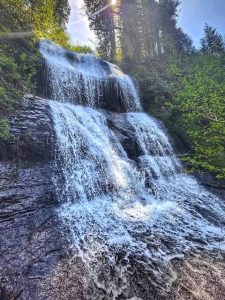
Flowing Water
Streams, rivers, and waterfalls may be more impressive than during drier months.
Comfortable Hiking
Cool temperatures can make longer walks more pleasant.
Flexible Travel
Cabin availability may be better outside spring break and holiday weekends.
Considerations for Spring Travel
Spring guests should prepare for:
- Occasional rain.
- Muddy trails.
- Cool beaches.
- Variable visibility.
- Spring break demand.
- Holiday weekend crowds.
- Changing park conditions.
The best approach is to plan a variety of indoor and outdoor activities.
Ideal For
Nature lovers, birdwatchers, hikers, photographers, couples, families traveling during spring break, and guests interested in waterfalls and green forest scenery.
Best Season for Families
For many families, summer is the easiest season because of school schedules and longer daylight hours.
However, late spring and early fall can also be excellent.
Families traveling outside peak summer may enjoy:
- Fewer crowds.
- More flexible cabin options.
- Quieter beaches.
- Shorter restaurant waits.
- A slower pace.
The best choice depends on school schedules, the children’s ages, and the family’s willingness to travel in cooler or wetter weather.
Best Season for Couples
Couples may enjoy any season, but fall and winter often provide the most romantic atmosphere.
These seasons may offer:
- Quieter surroundings.
- Cozy evenings.
- Dramatic ocean views.
- Greater privacy.
- Peaceful beach walks.
- Fewer crowds.
- More time to relax.
Summer may be better for couples who prefer longer days and a busier sightseeing itinerary.
Best Season for Photography
Photographers may prefer visiting more than once to capture the coast under different conditions.
Best Season for Hiking
Late spring through early fall often provides the easiest hiking conditions.
Trails may be:
- Drier.
- More accessible.
- Less muddy.
- Easier to navigate.
- More comfortable for longer walks.
Winter and early spring hiking can still be rewarding, but waterproof footwear and careful trail selection become more important.
Always review current park and trail information before departure.
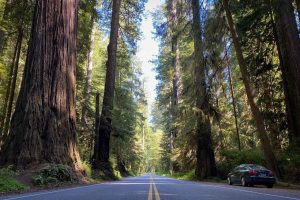
Best Season for Redwood Exploration
The redwoods can be visited throughout the year.
Each season changes the experience.
Summer
Long days and generally easier road conditions.
Fall
Quiet trails and atmospheric forest light.
Winter
Misty forests and dramatic scenery.
Spring
Lush vegetation, flowing water, and fresh growth.
The redwoods are naturally suited to cloudy and misty conditions.
A gray day on the coast can create an unforgettable forest experience.
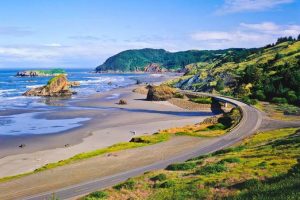
Best Season for Beach Activities
Travelers expecting hot, tropical beach weather may find Northern California different.
The beaches are best known for:
- Walking.
- Photography.
- Beachcombing.
- Tide pools.
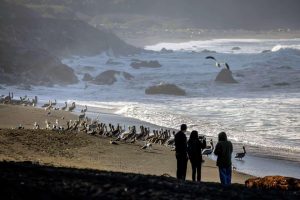
- Wildlife viewing.
- Picnics.
- Sunset watching.
- Exploring driftwood.
- Enjoying the scenery.
Summer generally provides the longest daylight and the driest conditions, but beach exploration can be rewarding year-round.
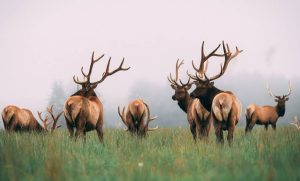
Best Time for Wildlife Viewing
Wildlife activity varies throughout the year.
Ocean & Coast
- Seabirds
- Harbor seals
- Sea lions
- Migrating whales
Forests & Rivers
- Roosevelt elk
- Forest birds
- River wildlife
- Seasonal wildlife activity
Tide Pools
- Tide pool animals
- Marine life
- Seabirds
- Coastal discoveries
Seasonal migration and animal behavior change, so no single month guarantees a particular sighting.
Bring binoculars, maintain a safe distance, and never feed wildlife.
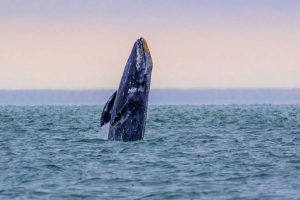
Best Time for Whale Watching
Whale migration patterns can create viewing opportunities during different parts of the year.
Some travelers observe whales from:
- Coastal overlooks.
- Beaches.
- Harbor areas.
- Headlands.
- Boat excursions.
Sightings are never guaranteed.
Ocean conditions, migration timing, visibility, and location all affect the experience.
Guests interested in whale watching should review current local reports near the time of their visit.
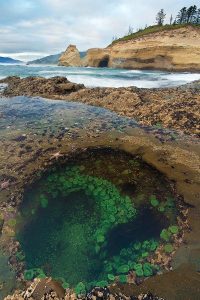
Best Time for Tide Pools
Tide pool exploration depends more on the tide schedule than the season.
The best opportunities often occur during lower tides, especially when daylight and safe weather conditions align.
Check the tide table.
Wear sturdy footwear.
Avoid turning your back on the ocean.
Stay away from dangerous surf.
Do not remove animals or disturb habitats.
Supervise children closely.
A low tide during any season can create an excellent opportunity.
Best Season for Lower Crowds
Travelers seeking fewer visitors may prefer:
Late Fall
A calmer period after the busiest summer travel season.
Winter
Especially outside major holiday periods.
Early Spring
Quieter than peak summer while offering fresh forest scenery.
Midweek
Sunday through Thursday stays can improve the sense of peace and privacy in any season.
Crowd levels may still rise during holiday weekends, school breaks, community events, major festivals, and good-weather weekends.
Best Season for Greater Cabin Availability
Cabin availability is often greatest during:
- Winter outside holiday periods.
- Midweek stays.
- Late fall.
- Early spring.
Availability is usually tighter during:
- Summer.
- Holiday weekends.
- Spring break.
- Special events.
- Popular anniversary weekends.
- School vacation periods.
Oceanfront cabins and larger family accommodations may remain popular year-round.
Best Season for Better Value
Rates vary by property, cabin type, demand, and travel dates.
Travelers may find better value during:
- Midweek periods.
- Off-season stays.
- Late fall.
- Winter outside holidays.
- Early spring.
- Last-minute cancellation openings.
However, the lowest rate is not always the best value.
Location
Consider how close you are to the coast and the experiences you want.
Beach Access
Direct or convenient access can add meaningful value to a coastal stay.
Comfort
Kitchen facilities, parking, sleeping arrangements, and views all affect the experience.
Flexibility
Review cancellation terms and included amenities before comparing rates.
A slightly higher rate may provide a much better overall vacation experience.
What to Pack in Every Season
Regardless of when you visit, bring:
- Layered clothing.
- A waterproof jacket.
- Comfortable walking shoes.
- Warm socks.
- Long pants.
- A sweatshirt or fleece.
- Sun protection.
- A reusable water bottle.
- Binoculars.
- A small daypack.
- A camera or phone.
- Medications.
- Beach-safe footwear.
The coastal environment can change quickly.
Packing layers allows you to remain comfortable throughout the day.
Summer
- Short-sleeved shirts.
- Sun hat.
- Picnic supplies.
- Light blanket.
- Additional water.
Fall
- Warmer outer layers.
- Waterproof footwear.
- Compact umbrella.
- Extra socks.
Winter
- Full rain gear.
- Warm hat.
- Gloves.
- Waterproof boots.
- Extra indoor activities.
- Emergency travel supplies.
Spring
- Waterproof layers.
- Mud-resistant shoes.
- Binoculars.
- Wildflower or bird guide.
How Long Should You Stay?
The best length of stay depends on the season and your itinerary.
Two Nights
Suitable for a quick escape, anniversary, or road-trip stop.
Three to Four Nights
Allows time for beaches, redwoods, dining, and scenic drives.
Five to Seven Nights
Provides a more relaxed pace and room for changing weather.
Longer Stays
Especially useful during fall, winter, and spring because guests can shift activities around rainy periods.
Build a Weather-Flexible Itinerary
Weather flexibility improves any coastal vacation.
Instead of planning every hour, group activities into categories.
Clear Weather
- Beach walks.
- Scenic overlooks.
- Picnics.
- Lighthouse visits.
- Photography.
- Tide pools.
Light Rain
- Redwood hikes.
- Harbor walks.
- Short scenic drives.
- Wildlife viewing.
- Forest photography.
Heavy Rain
- Local museums.
- Aquariums.
- Restaurants.
- Shopping.
- Relaxing at the cabin.
- Reading and games.
- Preparing a special meal.
The weather becomes much less stressful when several options are available.
Why Every Season Works at White Rock Resort
White Rock Resort offers guests a coastal experience that changes throughout the year.
In summer, visitors may enjoy long evenings, beach walks, and full days exploring the redwoods.
In fall, the property becomes quieter and the coastal light changes.
Winter brings powerful ocean scenery and peaceful cabin evenings.
Spring renews the surrounding forests and creates beautiful opportunities for outdoor exploration.
Regardless of the season, guests can enjoy:
Direct Beach Access
Enjoy the Pacific Coast without having to make the beach a separate destination.
Pacific Ocean Scenery
Experience changing coastal light, weather, waves, and wildlife throughout the year.
Comfortable Accommodations
Return to a peaceful place to relax after exploring the surrounding coast.
Redwood Country Nearby
Explore the magnificent forests and natural landscapes of Northern California.
Convenient Location
Enjoy access to Crescent City, Brookings, and the surrounding Redwood Coast.
Responsive Guest Service
Have support when you need it while enjoying a peaceful coastal setting.
The question is not whether there is a good time to visit.
The question is which version of the coast you want to experience.
Frequently Asked Questions
What is the warmest time to visit Northern California’s coast?
Summer generally provides the mildest and driest overall conditions, although the immediate coast can remain cool and foggy.
What is the least crowded season?
Winter outside major holidays is often among the quietest periods.
Is fall a good time to visit?
Yes. Fall may offer mild weather, fewer crowds, beautiful light, and greater accommodation flexibility.
Is winter too rainy for a coastal vacation?
Not necessarily. Winter is ideal for storm watching, cozy cabin stays, photography, and travelers who enjoy a quieter atmosphere.
Is spring good for hiking?
Yes, although some trails may be muddy. Spring forests are often especially lush and beautiful.
What is the best season for families?
Summer is the easiest for many families, but late spring and early fall may offer fewer crowds and a more relaxed experience.
What is the best season for couples?
Fall and winter are often especially appealing for romantic getaways because of the quiet atmosphere and dramatic coastal scenery.
Do I need a rain jacket in summer?
It is wise to carry a light waterproof layer throughout the year because coastal weather can change quickly.
Can I visit the Redwoods in winter?
Yes. The forests are open year-round in many areas, although travelers should check road, park, and trail conditions before visiting.
How early should I book?
Summer and holiday stays may require six to nine months of advance planning, while quieter-season trips may offer more flexibility.
Let the Coast Be the Coast
Do not choose your travel season based only on the possibility of perfect weather.
The Northern California coast is beautiful because it changes.
Fog makes the redwoods feel mysterious.
Rain deepens the colors of the forest.
Wind creates dramatic waves.
Sunlight transforms the shoreline.
The most memorable visits often include several kinds of weather in the same trip.
Pack appropriately, stay flexible, and allow the coast to reveal itself as it is.
Related Articles
Continue planning your Northern California coastal vacation:
How Far in Advance Should You Book a Coastal Cabin?
Learn when to reserve your coastal cabin for summer, holidays, weekends, and special occasions.
What Amenities Should You Look for in a Coastal Cabin?
Explore the features that can make a coastal cabin stay more comfortable and convenient.
Is It Worth Paying Extra for an Oceanfront Cabin?
Discover what makes an oceanfront cabin different and when the upgrade may be worthwhile.
What to Pack for a Northern California Coastal Vacation
Prepare for changing coastal conditions with a practical packing guide.
Best Beaches Near Crescent City
Explore beaches, scenic viewpoints, tide pools, and coastal experiences around the region.
The Ultimate Guide to Redwood National and State Parks
Plan your visit to the ancient forests and natural landscapes of Northern California.
Family-Friendly Activities on the Redwood Coast
Find ideas for memorable family adventures along the coast and among the redwoods.
Romantic Coastal Getaways in Northern California
Discover ideas for a peaceful and memorable couples getaway.
Plan Your Seasonal Stay at White Rock Resort
There is no wrong season to experience the Redwood Coast.
Summer offers longer days and family adventures. Fall provides quiet beaches and beautiful light. Winter creates dramatic ocean views and peaceful evenings. Spring brings fresh forests, flowing water, and renewed wildlife activity.
At White Rock Resort, each season offers a different way to reconnect with nature, spend meaningful time with the people you love, and experience the Pacific Ocean from one of Northern California’s most remarkable coastal settings.
Choose the season that matches your travel style, reserve the right cabin, pack for changing conditions, and prepare to discover why guests return to the Redwood Coast throughout the year.
Explore Cabins & Availability