What to Pack for a Northern California Coastal Cabin Vacation | Complete Checklist
Your complete packing guide for beaches, redwood forests, changing coastal weather, and cabin stays.
Packing for a Northern California coastal vacation is different from packing for a traditional warm-weather beach trip.
The Redwood Coast is known for:
- Mild temperatures.
- Cool mornings and evenings.
- Coastal fog.
- Ocean breezes.
- Changing weather.
- Occasional rain.
- Forest trails.
- Rocky beaches.
- Outdoor adventures.
A day may begin with mist in the redwoods, continue with sunshine near the harbor, and end with a cool breeze beside the ocean.
The key to packing successfully is not bringing the largest suitcase.
It is bringing versatile items that keep you comfortable in several types of weather.
This complete guide covers what to pack for:
- Coastal cabin stays.
- Beach walks.
- Redwood hikes.
- Family vacations.
- Romantic getaways.
- Rainy weather.
- Road trips.
- Photography.
- Pet-friendly travel.
- Multi-day vacations.
The Most Important Packing Rule: Bring Layers
Layering is the foundation of a successful Northern California coastal wardrobe.
Instead of relying on one heavy coat or expecting warm beach weather all day, pack several lightweight layers that can be added or removed as conditions change.
A practical layering system includes:
Base Layer
A comfortable shirt worn next to the skin.
Examples include:
- Short-sleeved T-shirts.
- Long-sleeved shirts.
- Moisture-wicking hiking tops.
- Lightweight thermal shirts during cooler seasons.
Mid Layer
A warmer layer for cool mornings and evenings.
- Sweatshirts.
- Fleece jackets.
- Sweaters.
- Lightweight insulated jackets.
Outer Layer
A wind-resistant or waterproof layer.
- Rain jackets.
- Waterproof shells.
- Windbreakers.
- Hooded outerwear.
This combination allows you to adjust throughout the day without returning to your cabin every time the weather changes.
Essential Clothing
For most coastal vacations, pack:
- Short-sleeved shirts.
- Long-sleeved shirts.
- Sweatshirts or fleece layers.
- Long pants.
- Comfortable casual clothing.
- Sleepwear.
- Undergarments.
- Extra socks.
- A waterproof jacket.
- A warm hat during cooler months.
- A sun hat or baseball cap.
- Comfortable indoor clothing.
- One slightly dressier outfit for dinner, if desired.
Even during summer, long pants and a warm layer are useful.
The immediate coast can feel considerably cooler than inland areas.
Why Extra Socks Matter
Extra socks may be one of the most useful items in your suitcase.
Beach walks, rain, puddles, muddy trails, and wet grass can leave footwear damp.
Bring more socks than you expect to need, particularly if you plan to hike.
Helpful options include:
- Moisture-wicking hiking socks.
- Warm wool-blend socks.
- Lightweight everyday socks.
- Separate dry socks for evenings.
Few things improve comfort after a wet outing more than changing into clean, dry socks.
Footwear
The right footwear depends on your planned activities.
Comfortable Walking Shoes
Useful for:
- Sightseeing.
- Restaurants.
- Harbor walks.
- Short beach visits.
- Exploring town.
Hiking Shoes or Boots
Useful for:
- Redwood trails.
- Muddy paths.
- Uneven terrain.
- Longer outdoor excursions.
- Wet-season travel.
Choose footwear with good traction.
Waterproof Shoes or Boots
Especially valuable during fall, winter, and spring.
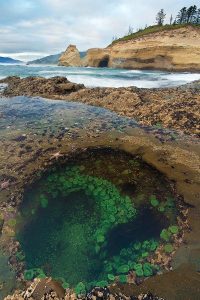
They may also be useful when exploring damp beaches, forest trails, or tide pools.
Sandals or Easy Slip-On Shoes
Helpful for:
- Relaxing at the cabin.
- Quick outdoor trips.
- Changing after hiking.
- Casual summer use.
Open footwear should not be used on unstable rocks, rough trails, or slippery tide pool areas.
Rain Gear
Rain is part of the natural coastal environment.
Even when the forecast looks favorable, carrying lightweight rain protection is wise.
- A waterproof jacket with a hood.
- Waterproof or water-resistant shoes.
- A compact umbrella, when practical.
- A rain cover for your backpack.
- Waterproof bags for phones and electronics.
- Extra socks.
- Quick-drying clothing.
- A plastic or washable bag for wet garments.
A high-quality rain jacket is generally more useful than a heavy umbrella on windy coastal days.
Beach Gear
Northern California beaches are beautiful, but they are generally experienced differently from warm tropical beaches.
Visitors often spend time:
- Walking.
- Beachcombing.
- Photographing.
- Exploring driftwood.
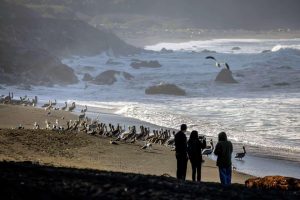
- Watching wildlife.
- Viewing sunsets.
- Examining tide pools.
- Enjoying picnics.
Useful beach items include:
- Beach towels.
- A waterproof blanket.
- Lightweight folding chairs.
- A small cooler.
- Reusable water bottles.
- Snacks.
- A daypack.
- Binoculars.
- A camera.
- Sand toys for children.
- Waterproof footwear.
- A wind-resistant outer layer.
- Sunscreen.
- Hats.
- A bag for wet or sandy belongings.
Always check local conditions before approaching the shoreline.
Do You Need a Swimsuit?
A swimsuit may still be useful, even when ocean swimming is not part of your plan.
Bring one if your accommodations or itinerary may include:
- A hot tub.
- A swimming pool.
- A spa.
- A sauna.
- A sheltered swimming area.
- A future stop at another destination.
Pacific Ocean conditions along the North Coast can be cold, powerful, and unpredictable.
Swimming should only occur where conditions are appropriate and where local guidance indicates it is safe.
Sun Protection
Cool or cloudy weather does not eliminate sun exposure.
UV rays can still affect the skin during:
- Beach walks.
- Hiking.
- Scenic drives.
- Overlook visits.
- Foggy afternoons.
- Long periods outdoors.
Pack:
- Broad-spectrum sunscreen.
- Lip balm with sun protection.
- Sunglasses.
- A brimmed hat.
- Lightweight long sleeves.
- After-sun moisturizer, if desired.
Redwood Hiking Essentials
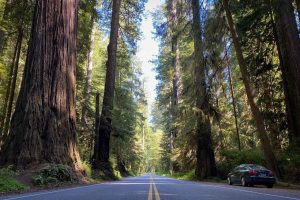
The redwood forests may feel cool, shaded, and damp even when the coast is sunny.
- Comfortable hiking shoes.
- Layered clothing.
- A waterproof jacket.
- A small backpack.
- Water.
- Snacks.
- A trail map or downloaded map.
- A fully charged phone.
- A portable battery.
- Basic first-aid supplies.
- Insect repellent.
- Binoculars.
- A camera.
- Hand sanitizer.
- Tissues.
- A flashlight or headlamp for emergency use.
Do not rely entirely on mobile service.
Reception may be limited in forested and rural areas.
Download maps and important information before leaving your cabin.
Daypack Checklist
A small daypack is useful for nearly every coastal adventure.
- Water.
- Snacks.
- Rain jacket.
- Extra layer.
- Sunscreen.
- Sunglasses.
- Hat.
- First-aid supplies.
- Phone charger.
- Tissues.
- Hand sanitizer.
- Map.
- Emergency contact information.
- Medications.
- Waterproof pouch.
Families may also need:
- Diapers.
- Wipes.
- Extra children's clothing.
- Small toys.
- Formula or bottles.
- Kid-friendly snacks.
First-Aid and Health Supplies
Every traveler should bring basic health and safety items.
- Adhesive bandages.
- Antiseptic wipes.
- Pain relievers.
- Allergy medication.
- Motion-sickness medication.
- Prescription medications.
- Blister treatment.
- Insect-bite treatment.
- Tweezers.
- Hand sanitizer.
- Reusable masks, if needed.
- Emergency contact information.
- Copies of insurance information.
Keep essential medications in your carry-on bag or personal vehicle rather than packing them where they may become difficult to access.
Bring enough medication for the entire trip, plus a reasonable extra supply in case travel is delayed.
Cabin Kitchen Supplies
Many coastal cabins include kitchens, but the exact inventory varies.
Before packing, review the property description or contact the management team.
- Coffee.
- Tea.
- Favorite seasonings.
- Cooking oil.
- Snacks.
- Breakfast items.
- Reusable food containers.
- Aluminum foil.
- Food-storage bags.
- Paper towels, if not provided.
- Specialty utensils.
- Children's cups or dishes.
- A refillable cooler.
- Groceries for the first evening.
If you expect to arrive late, bring enough food for dinner and breakfast so you do not need to locate a store immediately.
Grocery Planning
A little meal planning can make your stay easier.
Before leaving home, decide which meals you will:
- Prepare in the cabin.
- Pack for outings.
- Eat at restaurants.
- Purchase locally.
Easy cabin meals may include:
- Pasta.
- Soup.
- Sandwiches.
- Breakfast foods.
- Salads.
- Tacos.
- Grilled items where permitted.
- Prepared grocery-store meals.
Choose meals that require simple ingredients and minimal cleanup.
Your vacation should not become an elaborate cooking project unless cooking is part of the experience you enjoy.
Electronics
- Mobile phone.
- Phone charger.
- Portable battery.
- Camera.
- Camera charger.
- Laptop or tablet, if needed.
- Headphones.
- E-reader.
- Charging cables.
- Car charger.
- Power strip.
- Flashlight.
- Headlamp.
A power strip can be especially helpful for families or groups with several devices.
Do not forget charging cords for watches, cameras, children's devices, hearing aids, or medical equipment.
Photography Gear
The Redwood Coast offers outstanding photography opportunities.
- Camera body.
- Wide-angle lens.
- Telephoto lens.
- Tripod.
- Extra batteries.
- Memory cards.
- Lens cloth.
- Rain cover.
- Binoculars.
- Polarizing filter.
- Neutral-density filter.
- Remote shutter release.
- Small flashlight.
- Waterproof camera bag.
A telephoto lens may be useful for wildlife, while a wide-angle lens works well for redwoods, beaches, and scenic landscapes.
Never approach wildlife for a closer photograph.
Family Packing List
Families usually need more than clothing and toiletries.
- Favorite snacks.
- Reusable water bottles.
- Children's medications.
- Extra clothing.
- Warm pajamas.
- Rain gear.
- Beach toys.
- Books.
- Board games.
- Coloring supplies.
- Portable night-light.
- Child-safe headphones.
- Car activities.
- Small blankets.
- Familiar bedtime items.
- Baby monitor, where appropriate.
Familiar items can help young children adjust to a new sleeping environment.
Packing for Babies and Toddlers
- Diapers.
- Wipes.
- Changing pad.
- Formula or baby food.
- Bottles.
- Sippy cups.
- Bibs.
- Portable crib, if not provided.
- Sleep sack.
- High-chair alternative.
- Stroller.
- Baby carrier.
- Child-safe sunscreen.
- Weather-appropriate outerwear.
- Extra shoes.
- Multiple changes of clothing.
- Plastic bags for wet items.
- Favorite toys.
- Comfort object.
- Portable sound machine.
Contact the property before arrival to ask whether cribs, high chairs, or other family equipment is available.
Do not assume these items are included.
Couple's Getaway Packing List
- Comfortable casual clothing.
- One dinner outfit.
- Warm layers.
- Walking shoes.
- Favorite beverages.
- Special snacks.
- Music speaker at a respectful volume.
- Books.
- Board games or cards.
- Camera.
- Binoculars.
- Swimsuits for a hot tub.
- A picnic blanket.
- Anniversary or celebration items.
- A handwritten note or small surprise.
A few thoughtful details can make the cabin feel more personal without overpacking.
Pet-Friendly Vacation Packing List
Guests bringing a permitted pet should pack:
- Leash.
- Harness.
- Collar with identification.
- Food.
- Water.
- Bowls.
- Waste bags.
- Bedding.
- Towels.
- Medication.
- Veterinary information.
- Crate, if used.
- Favorite toy.
- Brush.
- Pet-safe first-aid supplies.
- Seat protection for the vehicle.
- Portable water container.
Confirm all pet policies before arrival.
Some beaches, trails, parks, or cabins may have restrictions.
Keep pets leashed where required and protect wildlife by maintaining control at all times.
Road-Trip Essentials
Many visitors reach the Redwood Coast by car.
- Driver's license.
- Vehicle registration.
- Insurance information.
- Phone charger.
- Car charger.
- Offline maps.
- Emergency roadside kit.
- Flashlight.
- Water.
- Snacks.
- Warm blanket.
- First-aid kit.
- Tire-pressure gauge.
- Jumper cables or portable jump starter.
- Paper towels.
- Trash bags.
- Basic tools.
- Emergency contact numbers.
Fill the fuel tank before entering more remote areas.
Services may be limited on some scenic routes.
Important Documents
- Reservation confirmation.
- Cabin address.
- Check-in instructions.
- Management contact number.
- Identification.
- Payment information.
- Travel insurance documents.
- Medical insurance information.
- Park reservations, when required.
- Activity confirmations.
- Pet vaccination records, if needed.
- Emergency contacts.
Save digital copies and consider carrying printed copies in case cellular service is unavailable.
Toiletries
- Toothbrush.
- Toothpaste.
- Shampoo.
- Conditioner.
- Soap.
- Deodorant.
- Hairbrush.
- Razor.
- Skin-care products.
- Contact-lens supplies.
- Glasses.
- Feminine-care products.
- Moisturizer.
- Lip balm.
- Sunscreen.
- Personal medications.
Entertainment for Rainy Evenings
Changing weather is part of the coastal experience.
Pack a few simple indoor activities such as:
- Books.
- Magazines.
- Board games.
- Playing cards.
- Puzzles.
- Coloring books.
- Journals.
- Downloaded movies.
- Craft supplies for children.
- A playlist.
- Favorite recipes.
A rainy evening can become one of the most relaxing parts of the vacation when you are prepared.
Binoculars
Binoculars are among the most useful items for a Redwood Coast vacation.
They may help you observe:
- Whales.
- Seabirds.
- Harbor seals.
- Sea lions.
- Roosevelt elk.
- Fishing boats.
- Distant rock formations.
- Forest birds.
- Lighthouse details.
Choose a compact pair that is easy to carry on hikes and beach walks.
Always watch wildlife from a respectful distance.
Tide Pool Supplies
- Sturdy waterproof shoes.
- Warm layers.
- Small backpack.
- Binoculars.
- Camera.
- Tide schedule.
- Hand lens for children.
- First-aid supplies.
- Extra socks.
- Waterproof bag.
Do not bring buckets for collecting animals.
Tide pool creatures should remain in their natural habitat.
Observe gently, avoid stepping on living surfaces, and supervise children closely.
What Not to Pack
Avoid bringing unnecessary or inappropriate items.
You may not need:
- Large amounts of formal clothing.
- Heavy luggage for a short stay.
- Excessive kitchen equipment.
- Warm-weather beach gear only.
- Too many shoes.
- Large entertainment systems.
- Valuable jewelry.
- Items prohibited by the property.
- Firewood unless specifically permitted.
- Outdoor cooking equipment without approval.
Do not bring:
- Fireworks.
- Unauthorized grills.
- Open-flame devices.
- Weapons prohibited by law or property policy.
- Equipment that may damage the cabin.
- Items that disturb wildlife or other guests.
Review the property's rules before arrival.
Ask What the Cabin Already Provides
Avoid unnecessary packing by confirming which items are included.
- Linens.
- Bath towels.
- Kitchenware.
- Coffee maker.
- Basic toiletries.
- Hair dryer.
- Heating.
- Fans.
- Television.
- Wi-Fi.
- Outdoor seating.
- Barbecue equipment.
- Beach towels.
- Laundry facilities.
- Hot tub towels.
Available amenities differ by accommodation.
Contact the property when the listing does not clearly answer your questions.
Seasonal Packing Guide
What to Pack for Summer
Summer travelers should bring:
- Light layers.
- Sweatshirt or fleece.
- Waterproof jacket.
- Long pants.
- Short-sleeved shirts.
- Walking shoes.
- Hiking shoes.
- Sunscreen.
- Sunglasses.
- Hat.
- Water bottle.
- Picnic supplies.
- Beach blanket.
- Binoculars.
Do not pack exclusively for hot weather.
Cool foggy mornings and breezy evenings remain possible.
What to Pack for Fall
- Warmer fleece.
- Waterproof footwear.
- Rain jacket.
- Extra socks.
- Warm hat.
- Compact umbrella.
- Layered sleepwear.
- Mud-resistant hiking clothing.
- Indoor activities.
Later fall generally requires more rain preparation than early fall.
What to Pack for Winter
- Waterproof outerwear.
- Warm mid layers.
- Waterproof boots.
- Warm hat.
- Gloves.
- Extra socks.
- Warm pajamas.
- Emergency road supplies.
- Flashlight.
- Portable battery.
- Indoor entertainment.
- Travel insurance information.
- Flexible itinerary.
A heavy winter coat may not always be necessary, but effective rain and wind protection is essential.
What to Pack for Spring
- Rain jacket.
- Waterproof shoes.
- Fleece layer.
- Long and short sleeves.
- Extra socks.
- Mud-resistant clothing.
- Binoculars.
- Camera.
- Daypack.
- Wildflower or bird guide.
- Sunscreen.
- Hat.
Spring weather can shift quickly between rain and sunshine.
Packing for a Two-Night Stay
For a short getaway, pack lightly.
- Two daytime outfits.
- One extra shirt.
- One warm layer.
- Waterproof jacket.
- Sleepwear.
- Undergarments.
- Extra socks.
- Walking shoes.
- Toiletries.
- Medications.
- Phone charger.
- Daypack.
- Water bottle.
- Snacks.
- One indoor activity.
Choose clothing pieces that can be mixed and matched.
Packing for a Week-Long Stay
For a longer vacation, add:
- Additional layered clothing.
- Laundry supplies.
- More hiking socks.
- Several meal plans.
- Additional medications.
- Road-trip emergency supplies.
- More children's activities.
- Expanded camera equipment.
- Reusable food containers.
- Additional footwear.
- A larger range of indoor activities.
Do not automatically pack seven completely separate outfits.
Laundry access and mix-and-match layers can reduce luggage significantly.
The Night-Before Checklist
- Reservation details.
- Check-in instructions.
- Weather forecast.
- Road conditions.
- Park alerts.
- Fuel level.
- Medications.
- Chargers.
- Identification.
- Wallet.
- Keys.
- Pet supplies.
- Children's essentials.
- Food for the first evening.
- Waterproof jackets.
- Comfortable shoes.
Place items that are easy to forget near the door or inside the vehicle the night before departure.
The Arrival-Day Bag
Pack one easily accessible bag containing:
- Reservation information.
- Cabin access instructions.
- Medications.
- Phone charger.
- Snacks.
- Water.
- Children's supplies.
- Pet supplies.
- Warm layer.
- Rain jacket.
- Toiletries.
- Sleepwear.
- Clothing for the next morning.
This is especially helpful if you arrive late or do not want to unpack the entire vehicle immediately.
Complete Coastal Cabin Packing Checklist
Clothing
- Short-sleeved shirts.
- Long-sleeved shirts.
- Sweatshirt or fleece.
- Waterproof jacket.
- Long pants.
- Sleepwear.
- Undergarments.
- Extra socks.
- Warm hat.
- Sun hat.
- Dinner outfit, if desired.
Footwear
- Walking shoes.
- Hiking shoes.
- Waterproof boots.
- Slip-on shoes or sandals.
Outdoor Gear
- Daypack.
- Reusable water bottle.
- Binoculars.
- Sunscreen.
- Sunglasses.
- Hat.
- Camera.
- Trail map.
- First-aid kit.
- Headlamp.
- Insect repellent.
- Picnic blanket.
Beach Gear
- Towels.
- Chairs.
- Cooler.
- Sand toys.
- Waterproof blanket.
- Extra layers.
- Wet-item bag.
Cabin Supplies
- Groceries.
- Coffee or tea.
- Favorite seasonings.
- Snacks.
- Food-storage bags.
- Reusable containers.
- Laundry bag.
- Indoor entertainment.
Electronics
- Phone.
- Chargers.
- Portable battery.
- Car charger.
- Camera equipment.
- Headphones.
- Tablet or e-reader.
- Power strip.
Documents
- Identification.
- Reservation confirmation.
- Check-in instructions.
- Insurance information.
- Emergency contacts.
- Activity confirmations.
- Offline maps.
Health and Personal Care
- Prescription medication.
- Pain reliever.
- Allergy medication.
- Toiletries.
- Sunscreen.
- Lip balm.
- Moisturizer.
- First-aid items.
Why Thoughtful Packing Improves Your Vacation
Packing appropriately allows you to:
- Remain comfortable when the weather changes.
- Spend more time outdoors.
- Avoid unnecessary shopping trips.
- Enjoy beaches and trails safely.
- Handle rainy periods with less frustration.
- Prepare meals more easily.
- Relax at the cabin.
- Focus on the experience rather than what you forgot.
The goal is not to prepare for every possible situation.
It is to bring a practical collection of versatile items that support the activities you are most likely to enjoy.
Frequently Asked Questions
Is Northern California's coast cold in summer?
It can feel cool, particularly in the morning, evening, fog, or wind. Bring layers even during summer.
Do I need a rain jacket?
Yes. A lightweight waterproof jacket is useful throughout the year.
Should I bring hiking boots?
Hiking shoes or boots are recommended if you plan to explore forest trails, especially during wetter seasons.
Do I need beachwear?
Bring comfortable clothing for beach walks, but do not expect tropical beach conditions. A swimsuit may still be useful for a hot tub or pool.
Should I bring groceries?
Bringing food for your first evening and breakfast can be helpful, especially if you expect to arrive late.
Are linens usually included?
Many cabins provide linens and towels, but you should confirm before arrival.
Should I bring binoculars?
Yes. Binoculars are excellent for wildlife, ocean, harbor, and bird viewing.
Is cellular service reliable?
Coverage can be limited in remote and forested areas. Download maps and important information in advance.
What should children wear?
Children should have layers, waterproof outerwear, sturdy shoes, warm pajamas, and multiple changes of clothing.
What is the most commonly forgotten item?
Travelers often forget charging cords, waterproof outerwear, extra socks, medications, or check-in instructions.
Insider Tip
Pack one complete dry outfit in a separate bag and leave it in your vehicle or cabin.
Include:
- Shirt.
- Pants.
- Undergarments.
- Socks.
- Warm layer.
After an unexpectedly wet beach walk or rainy hike, having a guaranteed dry outfit can make the rest of the day much more comfortable.
Related Articles
Continue planning your Northern California coastal vacation:
- What Is the Best Time of Year to Stay in a Coastal Cabin?
- What Amenities Should You Look for in a Coastal Cabin?
- How Far in Advance Should You Book a Coastal Cabin?
- Best Beaches Near Crescent City
- Family-Friendly Redwood Coast Activities
- How to Choose the Right Coastal Cabin for Your Family
- Is It Worth Paying Extra for an Oceanfront Cabin?
- The Ultimate Northern California Coastal Vacation Guide
Prepare for Your Stay at White Rock Resort
A coastal vacation is most enjoyable when you are ready for the natural variety of the Redwood Coast.
A little sunshine, a little fog, a light rain shower, and a cool ocean breeze may all be part of the same day.
With comfortable layers, waterproof outerwear, sturdy shoes, beach supplies, and a few cabin essentials, you can enjoy the region in nearly any weather.
At White Rock Resort, guests are perfectly positioned to experience the Pacific Ocean, nearby redwood forests, scenic drives, wildlife, beaches, and the peaceful atmosphere of Northern California's remarkable coastline.
Pack thoughtfully, travel safely, and leave a little room in your suitcase for the memories you will bring home.
Plan Your Stay at White Rock Resort